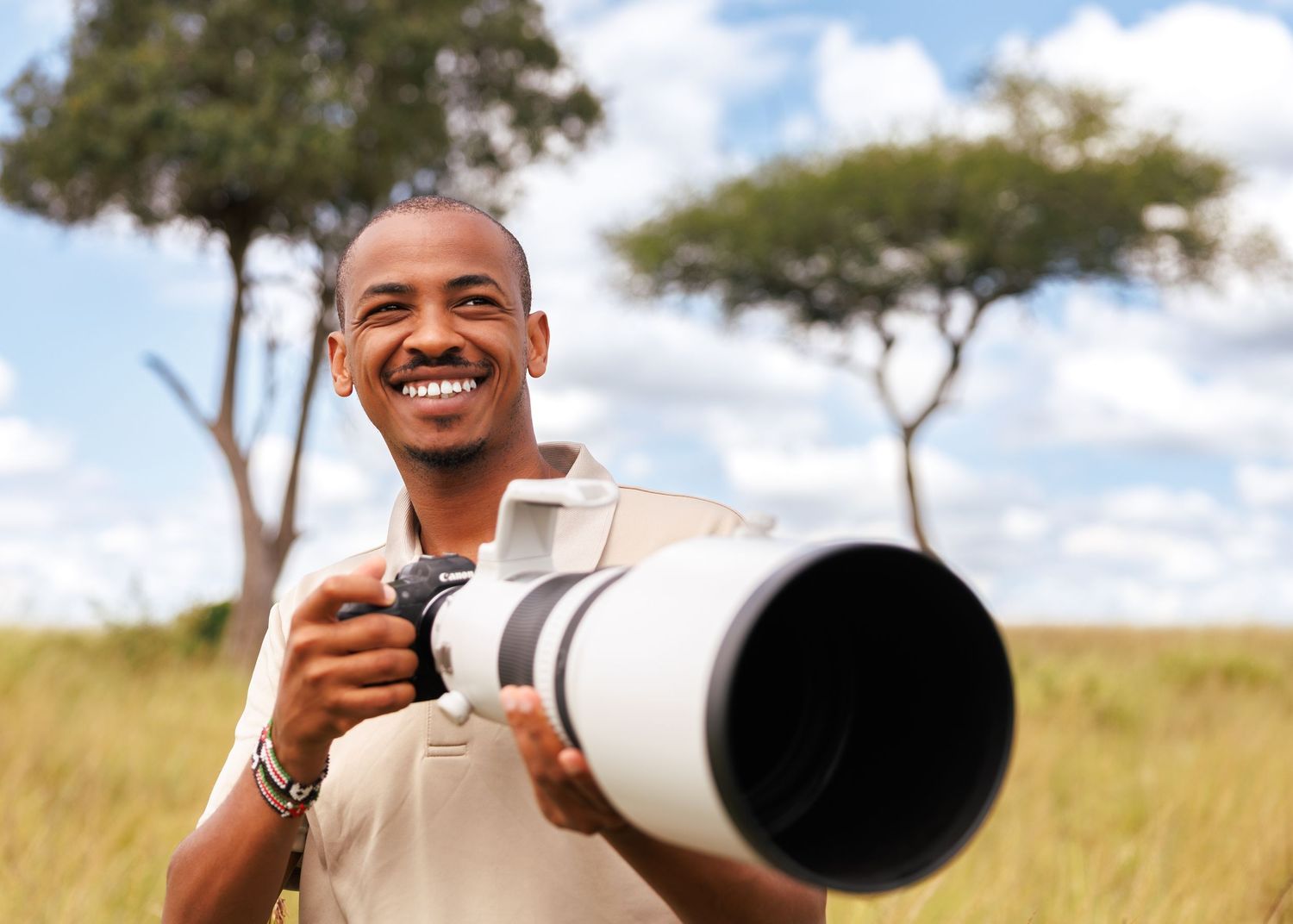
I was born in the bustling city of Nairobi and first fell in love with photography when I saw my dad’s photos of when he was younger, tending to the flowers in his front garden right outside his door. These images showed how times have changed — as Nairobi is now full of buildings and flowers are planted in little boxes on balconies rather than large, luscious gardens. I was instantly drawn to this art of capturing moments that will last a lifetime.
Growing up in Nairobi, I started playing soccer when I was just four years old. My teammates and I were young and talented but we flew under the radar. Despite being excellent at the sport, we weren’t being seen by many people and therefore weren’t being absorbed into pro teams. So, I decided to hang up my boots and use my photography skills — which is where my journey into sports photography began.
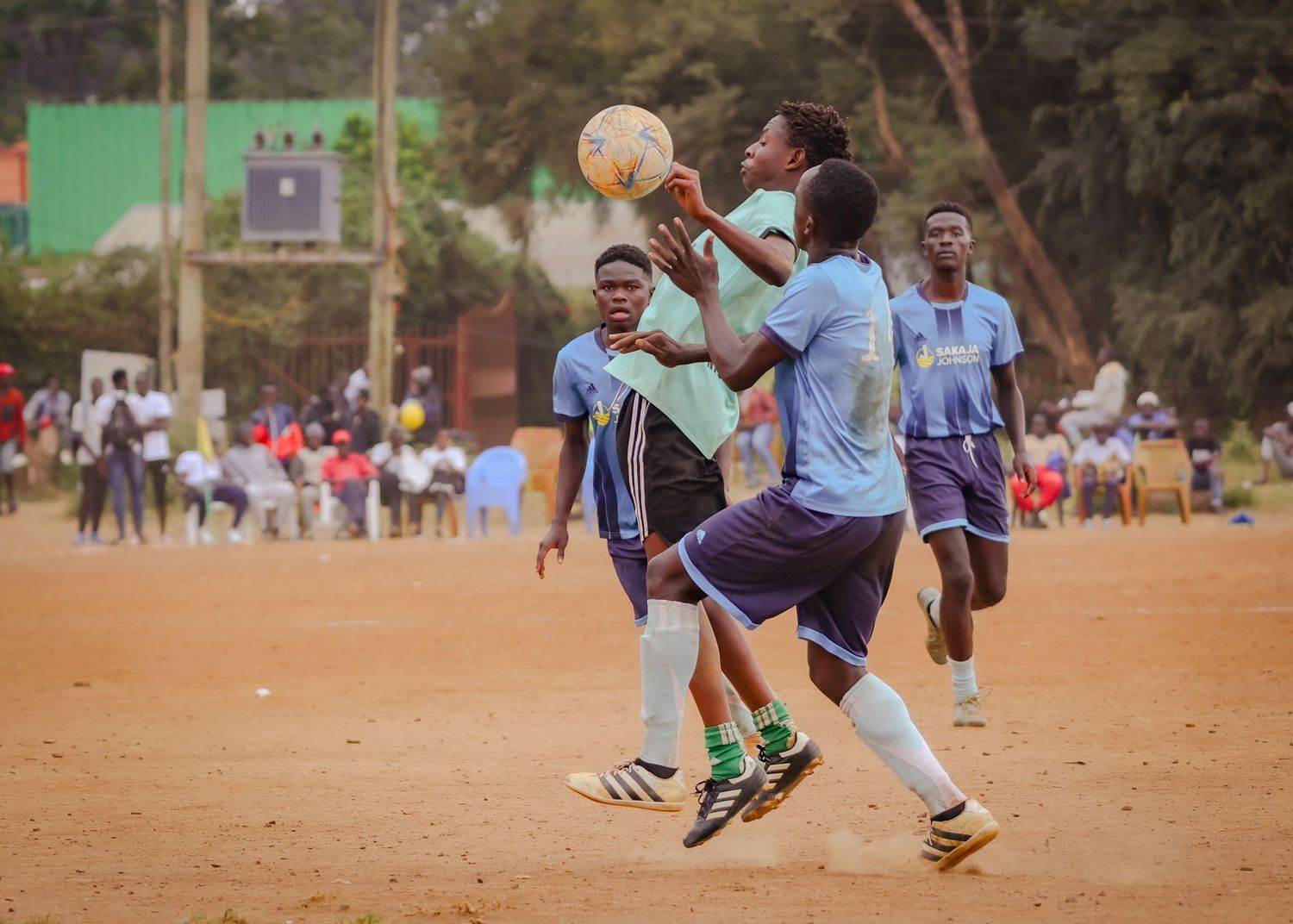
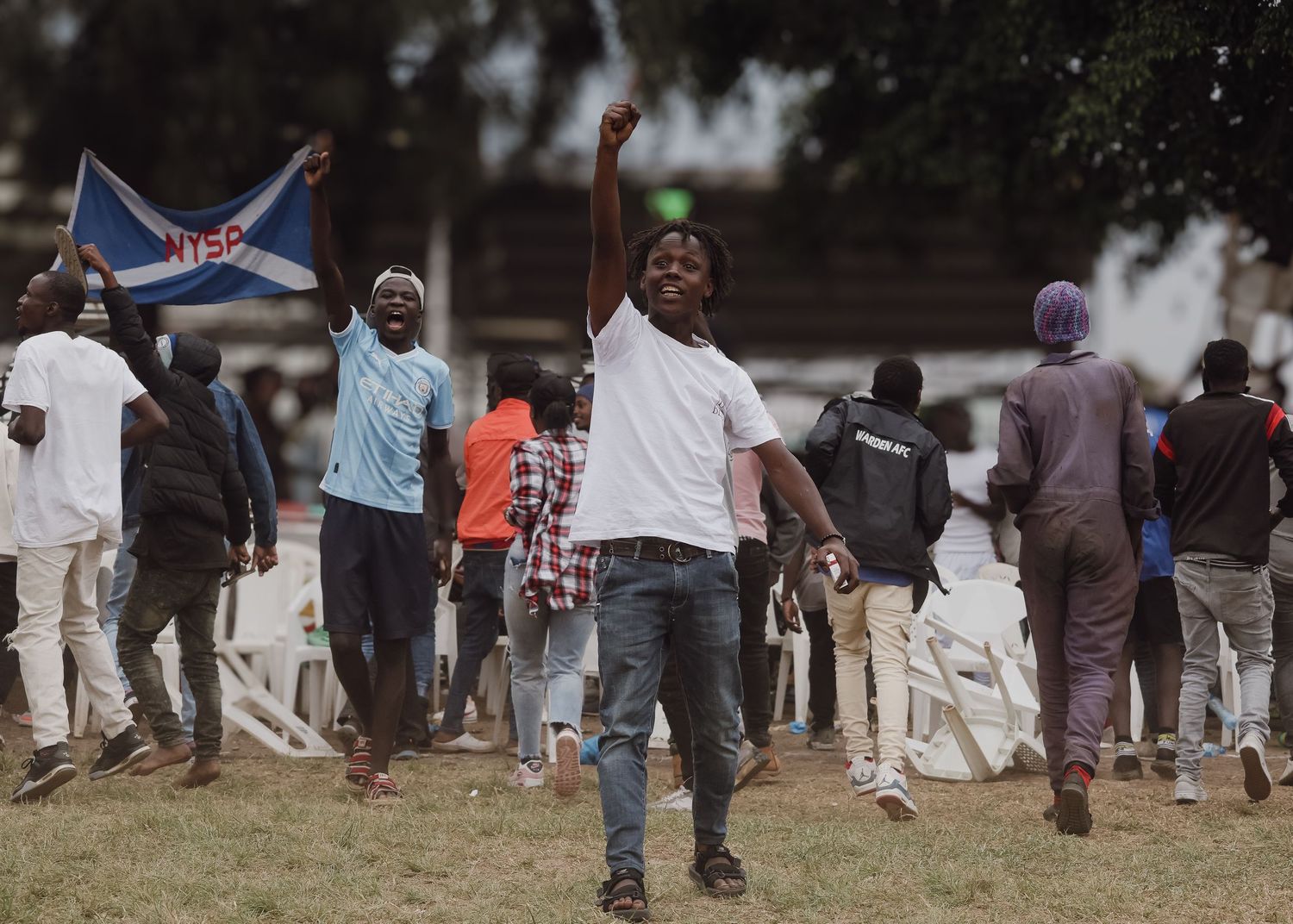
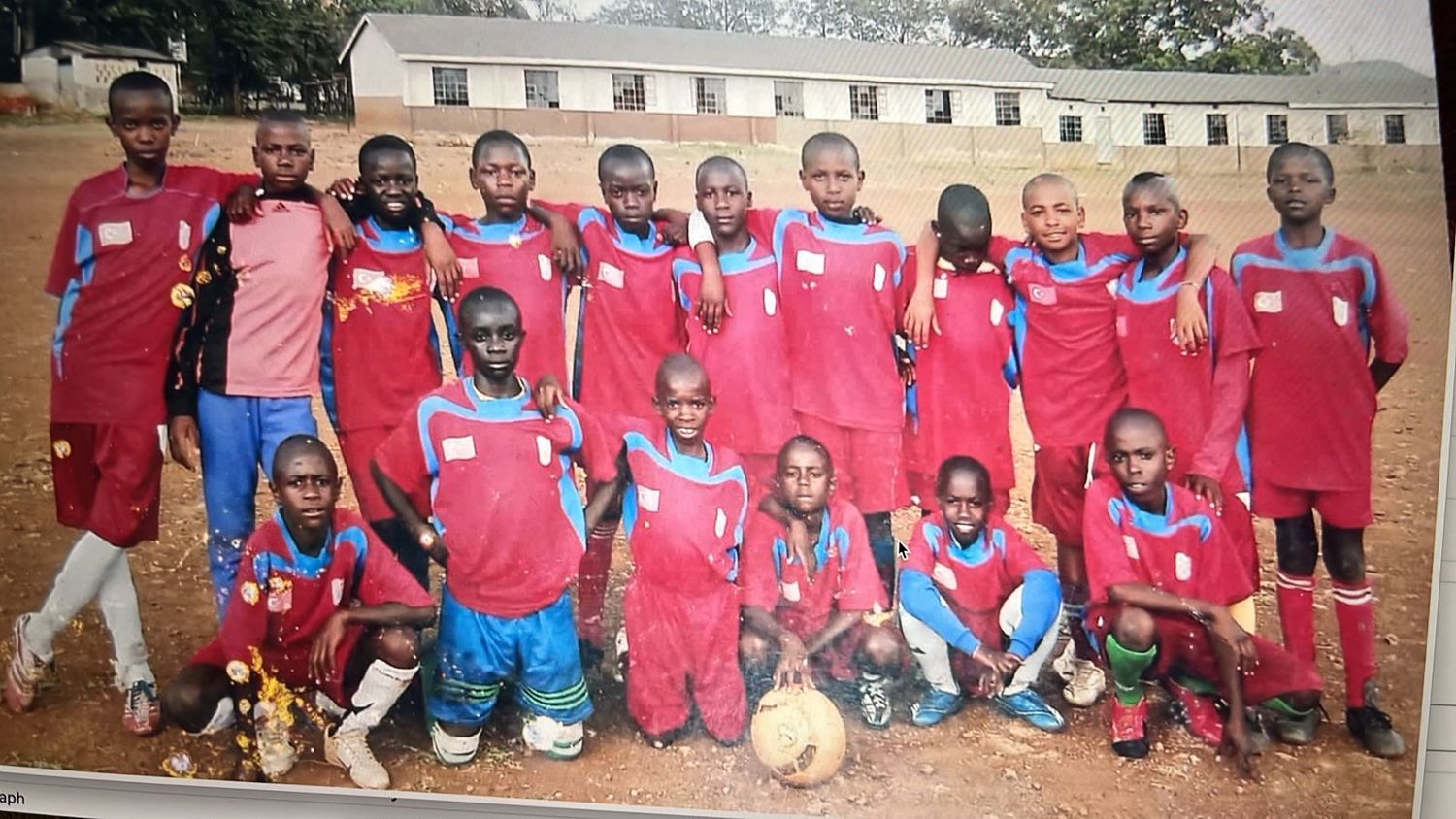
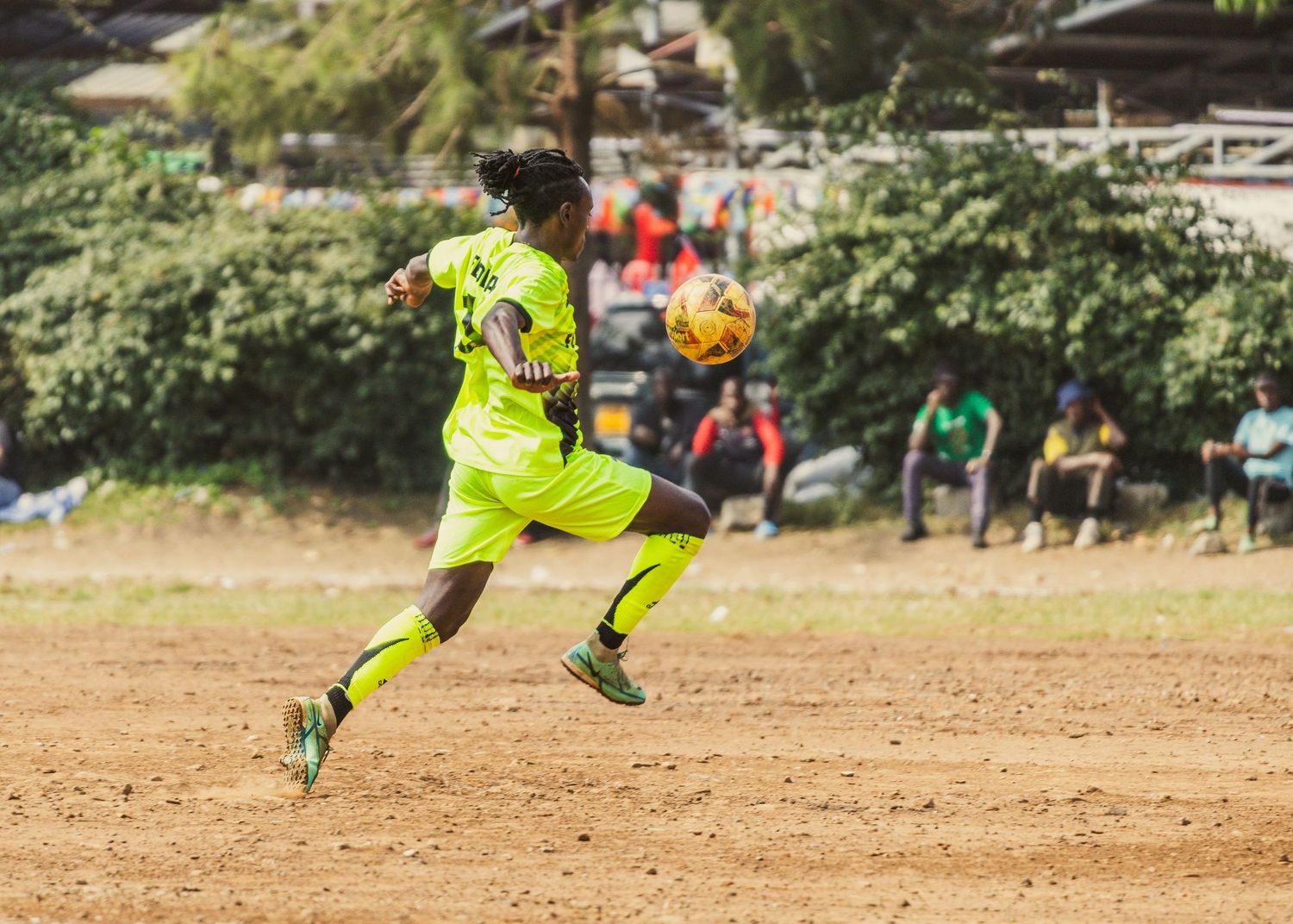
It was my sports photography that first brought me to the Mara, invited by a friend to document the Mara Cup by coach Collins Randiga (now GM of Angama Mara). I expressed my interest to him in wildlife photography and I was somehow convincing enough to get an opportunity to intern at the Angama Photographic Studio.It was while shooting the game that I would see Girrafes, Zebras, and at times lions(from a distance) that got me intrigued into the wild.
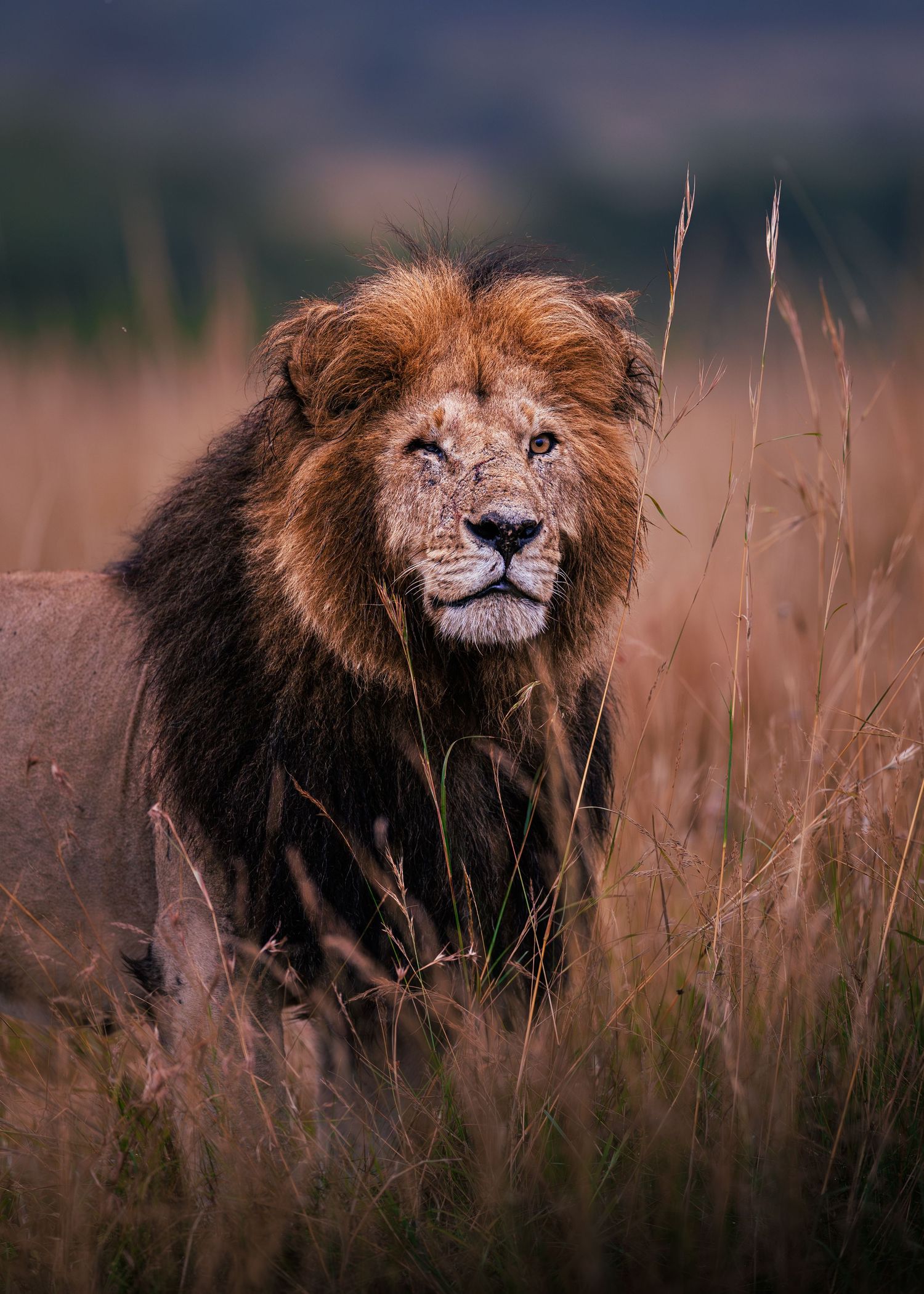
I have learnt a lot from my senior photographers, from photography skills to understanding animal behaviour. Wildlife photography is very different from sports photography as it's not about the fast shutter speeds and calculated angles but rather patience, predicting animal movements, and respecting their environment. I have since spent countless hours waiting in the blinds, tracking elusive animals and braving the elements to capture the perfect shot.
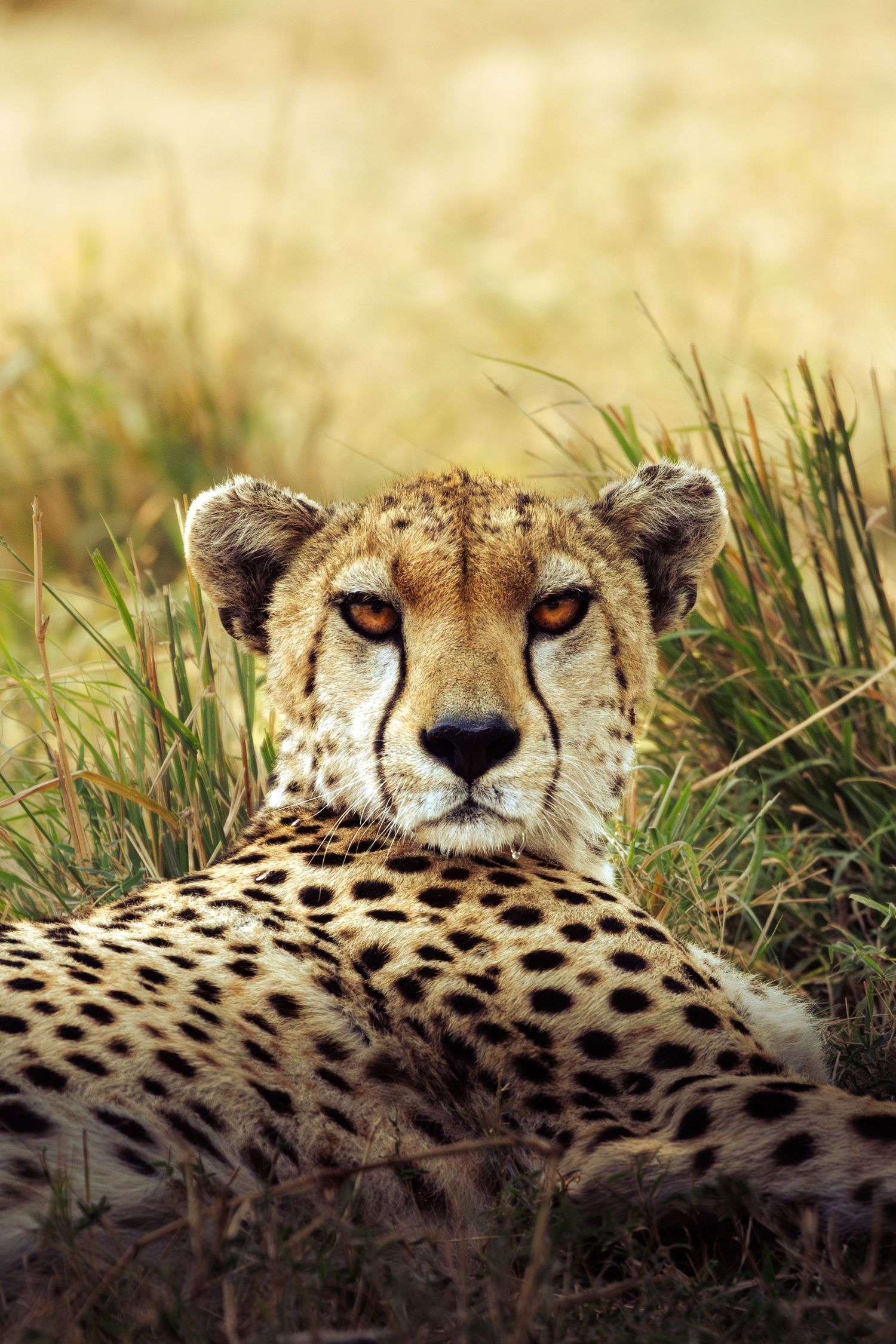
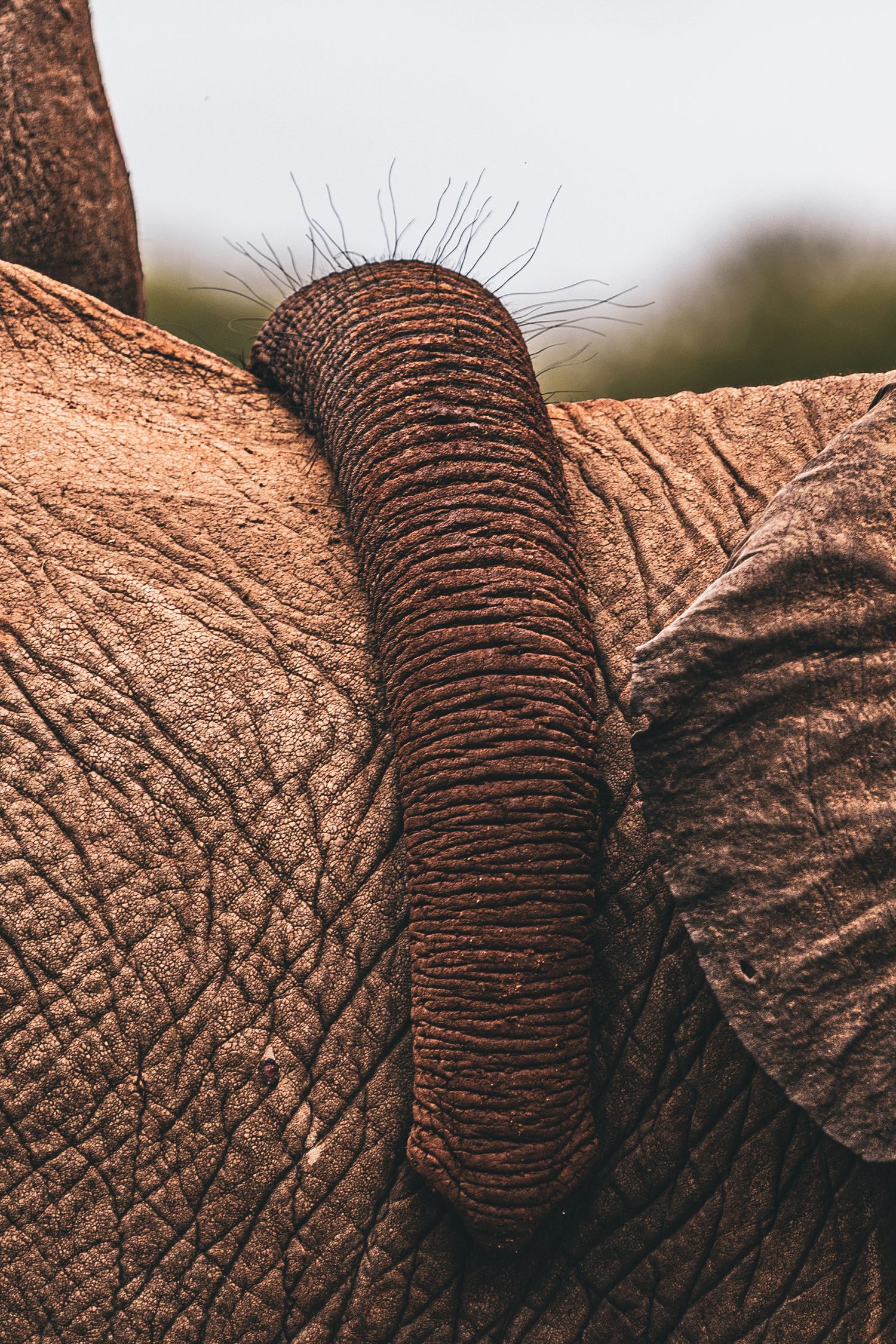
The essence of wildlife photography is to showcase the splendour of our world, to show beauty where others see chaos. Wildlife photography extends beyond creating visually stunning images; it is a powerful tool for promoting conservation and raising awareness about diverse species and ecosystems. It plays a pivotal role in fostering a deeper connection between viewers and our planet, igniting a collective responsibility to protect our shared environment. This is why I fell in love with this beautiful art form.