Some places call you back. You visit once, and they leave an imprint on your soul, a whisper that says, "There's more to see." For me, that place is Tanzania. Just a year after my first taste of its wonders, the call became a roar I couldn't ignore. This time, I wasn't just visiting a neighbour; I was venturing into its wild, untamed heart.
The journey itself was a transition. Leaving the familiar hustle of Nairobi behind, the road south to the Namanga border unwound like a ribbon, revealing the vast, scenic landscapes of southern Kenya. Crossing into Tanzania, the scenery shifted again. The drive to Arusha was a window into the raw, traditional life of Tanzanians—a world painted in rich, earthy tones of agriculture, where life moves at the rhythm of the seasons. From the vibrant hub of Arusha, often called the centre point of Africa, my real adventure began as we pushed deeper north, towards Manyara.
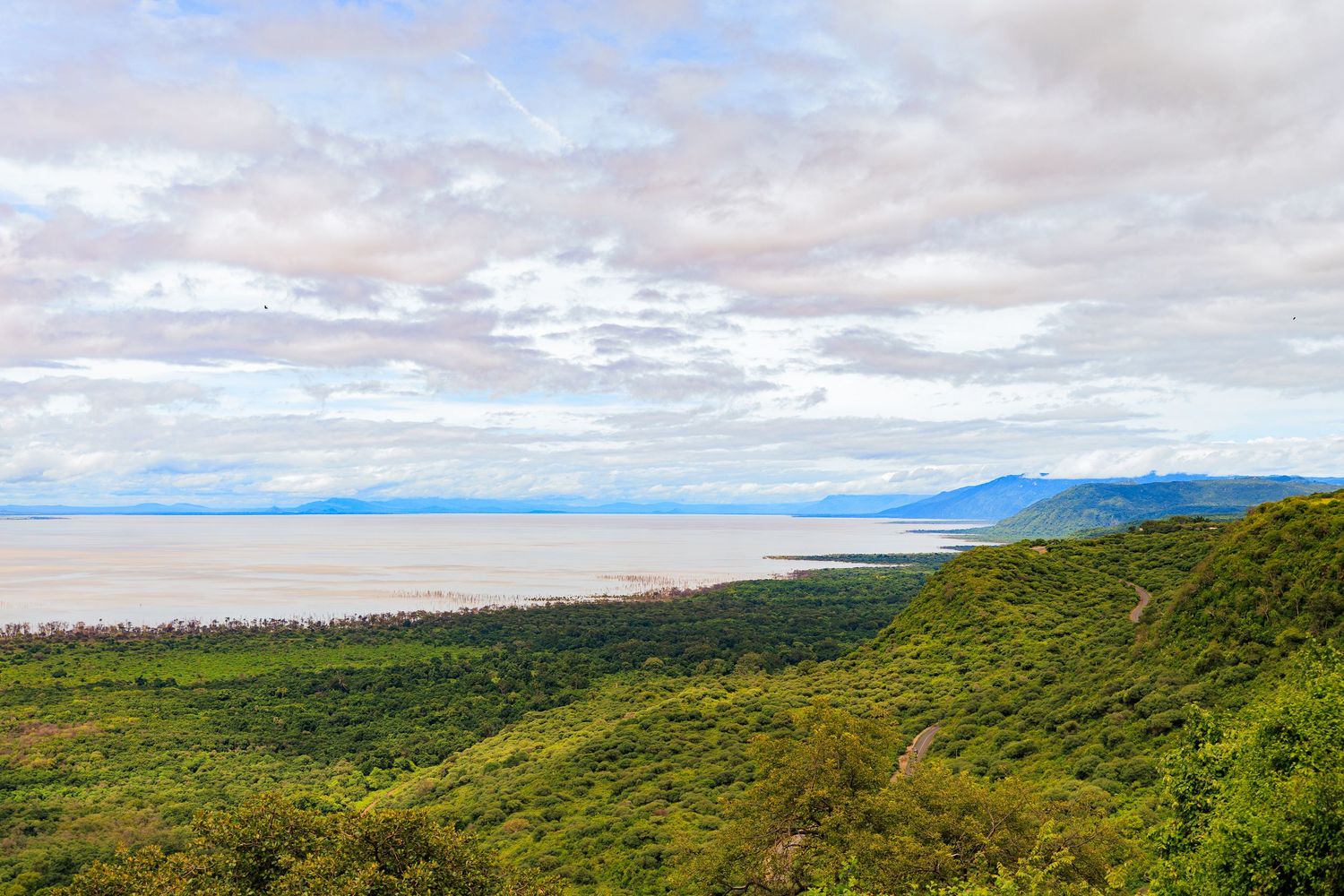
Lake Manyara National Park is a world of breathtaking diversity packed into one reserve. Here, steep mountainsides tumble into dense woodlands, and the shimmer of a Great Rift Valley soda lake stretches to the horizon. The park is legendary for its tree-climbing lions, and I confess, I spent my time scanning the branches in hopeful anticipation.
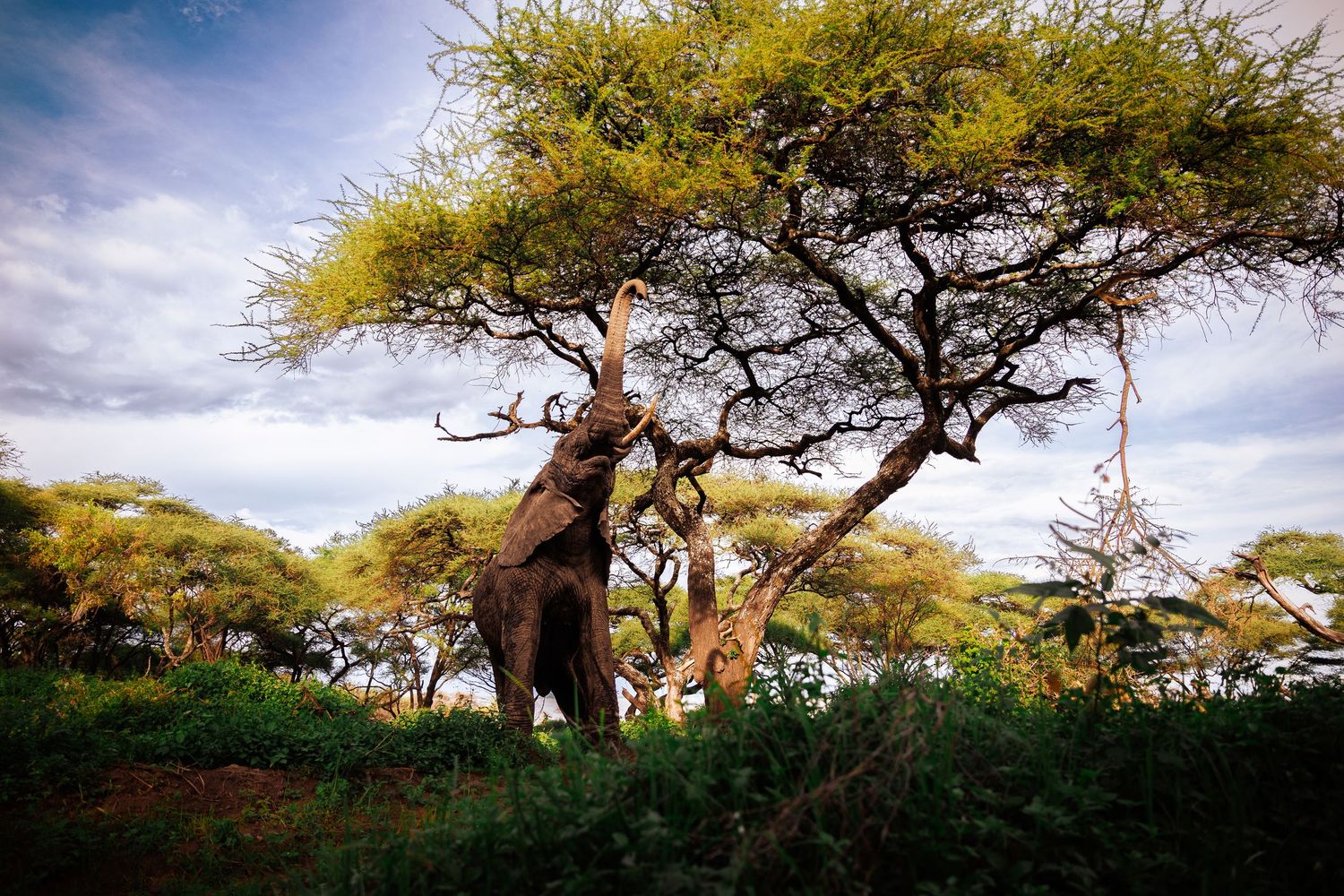
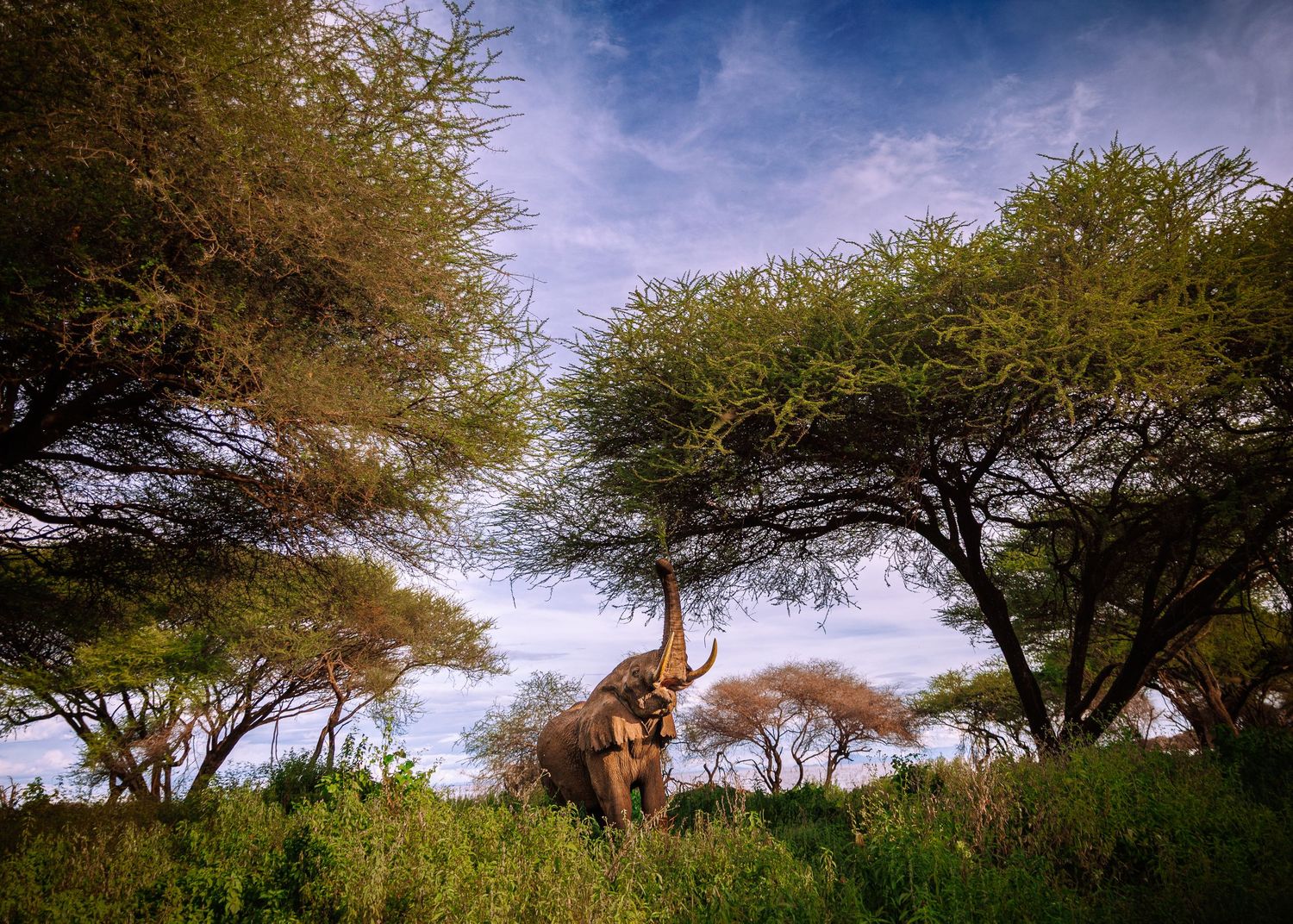
While the lions remained elusive, Manyara rewarded me with a spectacle I will never forget. I was watching a herd of enormous bull elephants, their presence alone humbling. Then, right beside our vehicle, one of them did something extraordinary. Ignoring the lush grasses at his feet, he reared up on his hind legs, his massive body a study in balance and power. He stretched his trunk towards the highest, most tender leaves of an acacia tree—a gravity-defying feat for an animal that typically grazes from the ground. It was a rare, breathtaking display of determination and strength, a moment that defined the wild spirit of this incredible park.
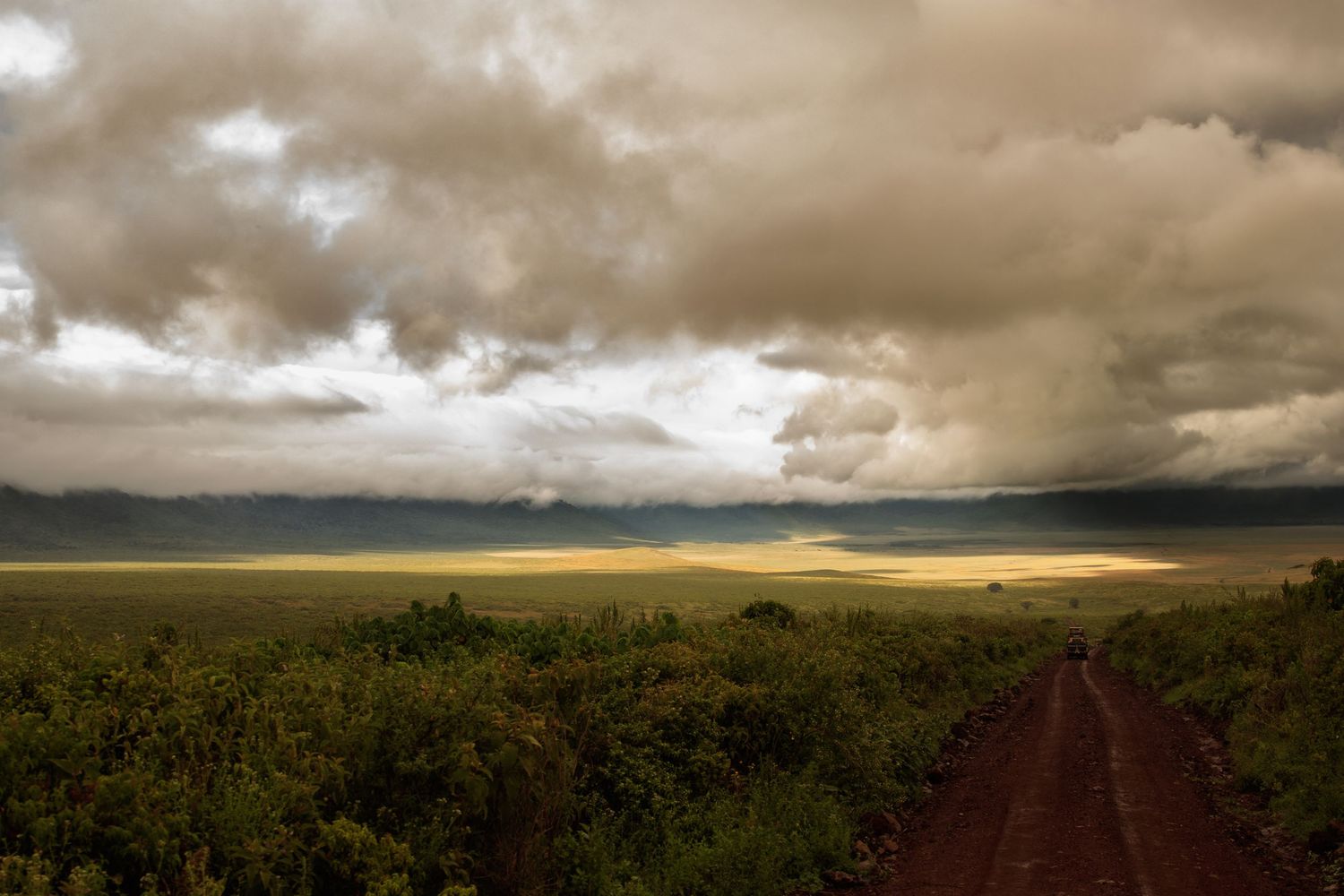
Ticking the Ngorongoro Crater off my bucket list felt like a pilgrimage. A UNESCO World Heritage Site, this vast volcanic caldera isn't just a place; it's a geological marvel. The Maasai pastoralists named it for the onomatopoeic sound of a cowbell—ngoro ngoro—and as you stand on the rim, you can almost hear that gentle, rhythmic echo through time.
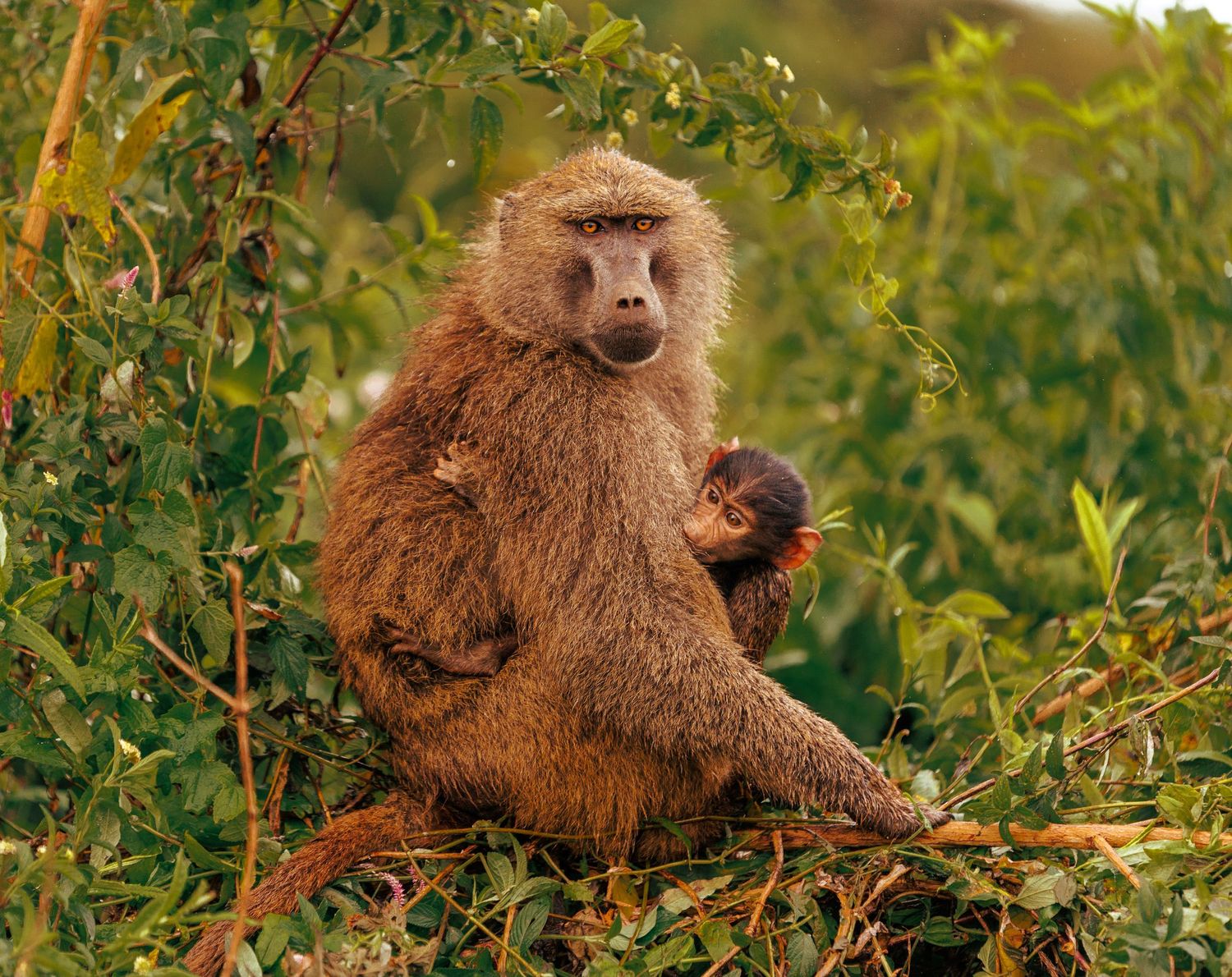
Our descent into the caldera began in a thick, soupy mist. It felt like we were driving off the edge of the world into a realm of ghosts. I couldn't see a thing and had no idea what to expect. But as we snaked lower, the world revealed itself from the ground up. First, a troop of calm baboons emerged from the white veil, completely unfazed by our presence. Then, the mist peeled back like a curtain, exposing the crater floor below while clinging to the rim above us.
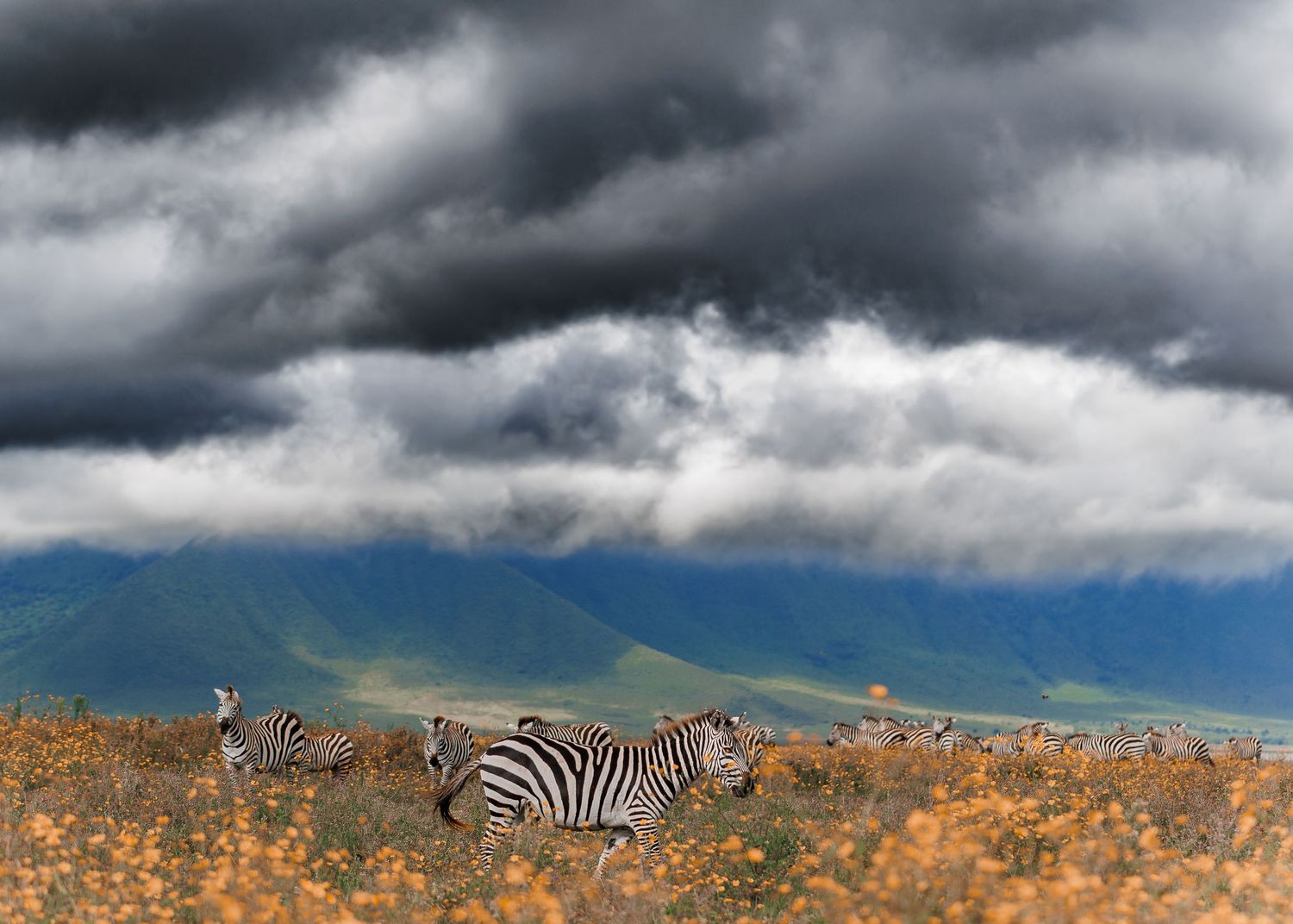
The view was biblical. Herds of zebra grazed peacefully, their stark black and white stripes a stunning contrast against a sea of invasive yellow aspilia flowers. We learned the crater is a natural enclosure, home to one of the densest lion populations on Earth. This isolation, however, has led to significant inbreeding, a fascinating and complex side-effect of this "lost world." While many animals live here year-round, it’s not a complete prison; in the wet season, thousands of wildebeest and zebra migrate out, proving that nature always finds a way.Enter a Heading
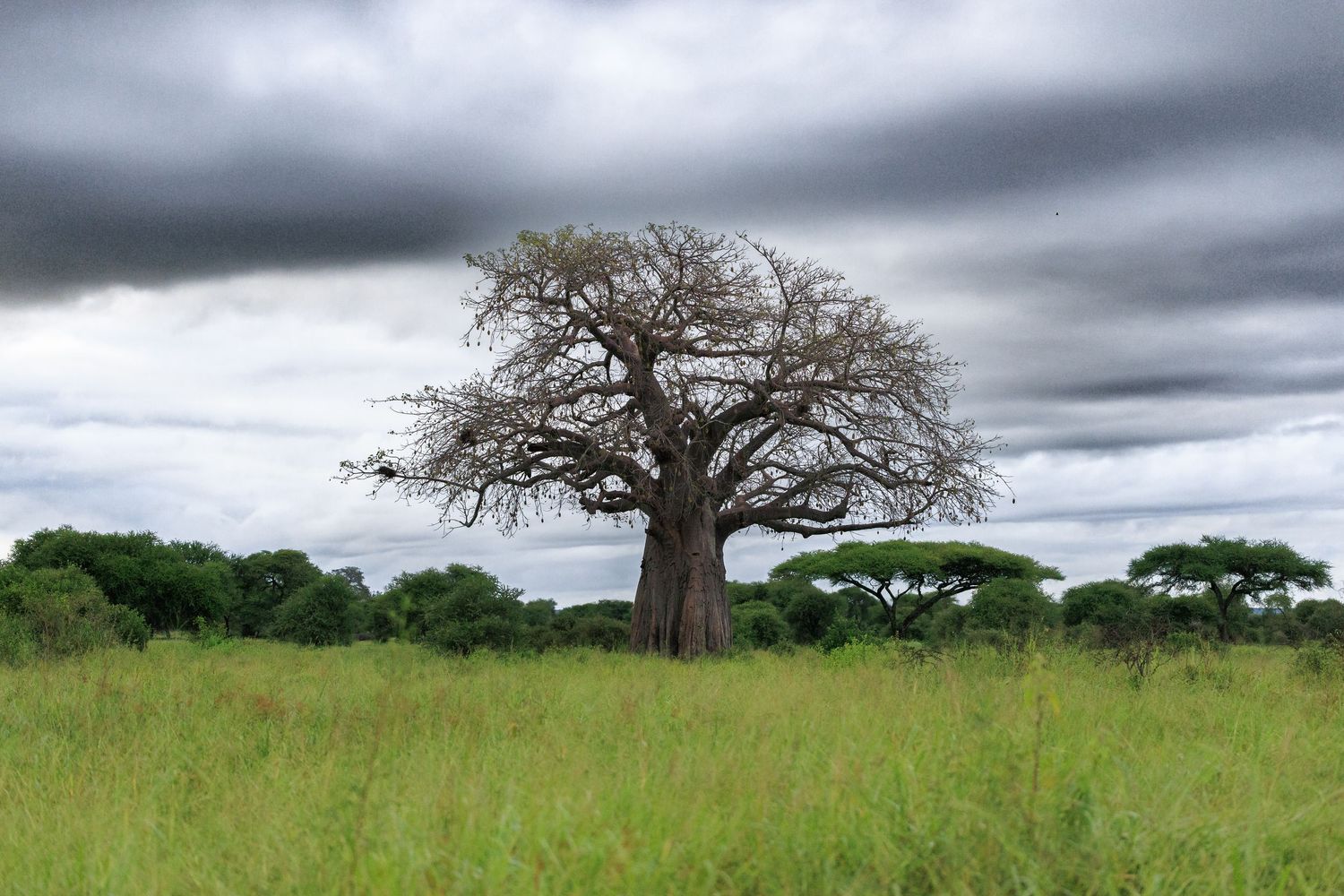
My final stop was Tarangire National Park, famously known as an "elephants' paradise." And it is. But it's also a paradise for another giant: the baobab tree. These ancient, mystical trees stand like sentinels of time, their thick trunks holding centuries of secrets. Locals once used them as hiding spots from poachers; today, they use their hollows for beekeeping, turning history into honey.
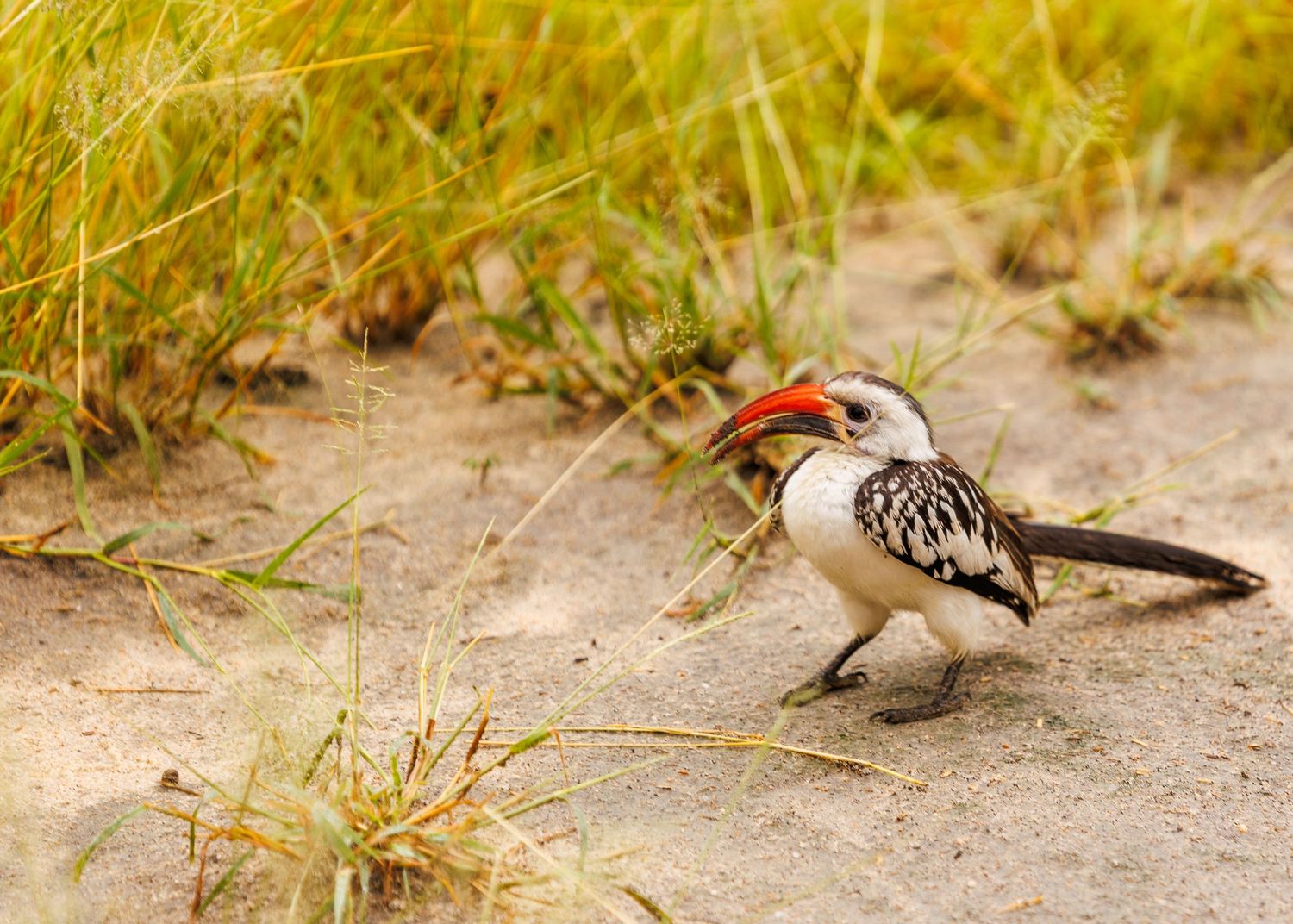
For a bird enthusiast like me, Tarangire was heaven. With over 550 species, every direction offered a new discovery. A flash of red and a familiar cackle brought a childhood movie to life—I was watching a red-billed hornbill, the real-life Zazu! And for the first time, I saw the brilliant plumage of a yellow-collared lovebird.
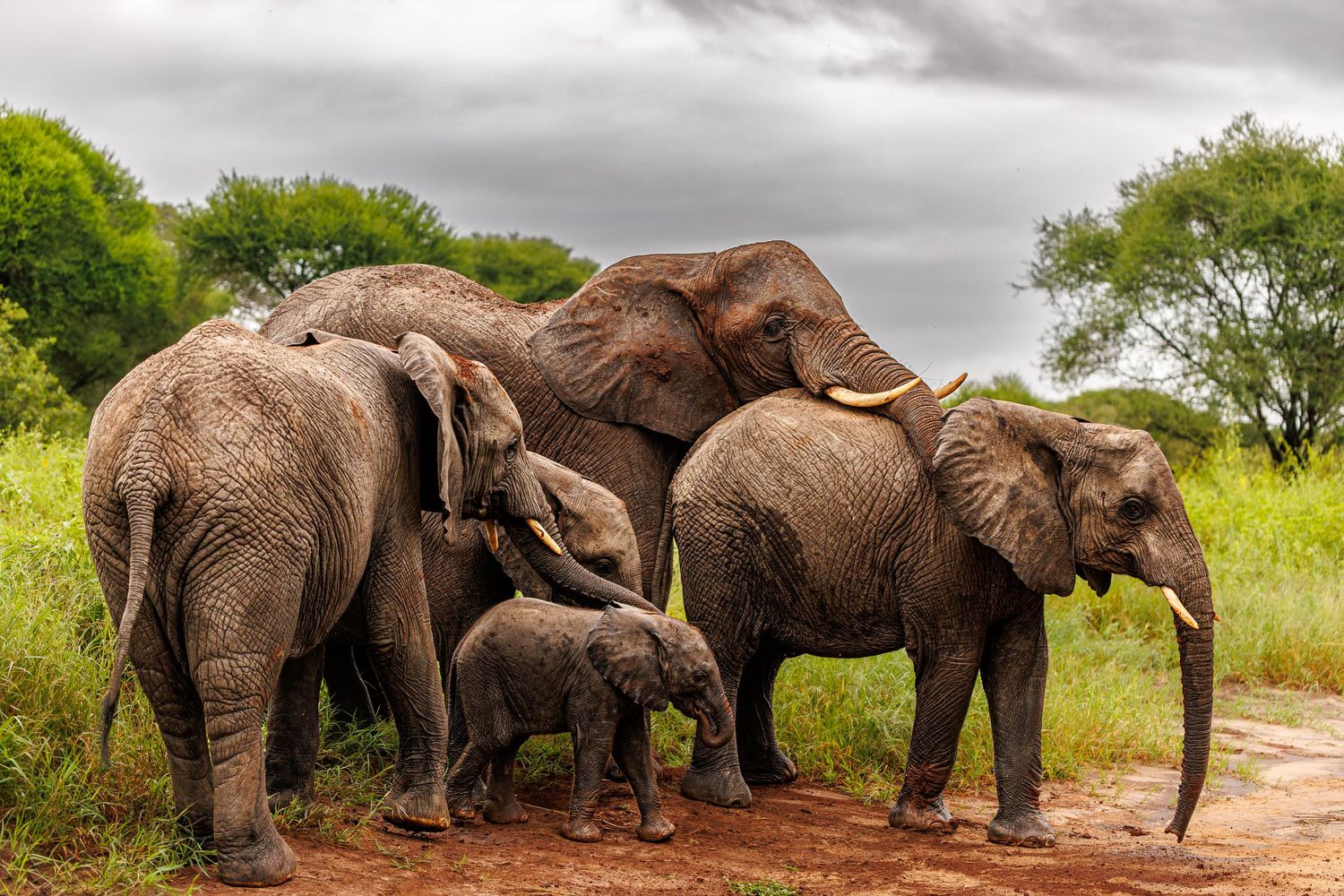
But the highlight, the moment that crystallised the magic of this trip, was watching an elephant family. We saw them playing in the dust, covering themselves and each other in a fine red powder. We watched them cuddle, their trunks intertwining with a tenderness that defied their immense size. And in the middle of it all was a young, curious calf, its every move a picture of innocent joy.
My first trip to Tanzania was nice. But the second? The second was a deep dive, an intimate conversation with the wild. It was more than rewarding; it was transformative. Tanzania is no longer just a neighbour on a map. It’s a piece of my story, and I have a feeling this chapter isn't over yet.