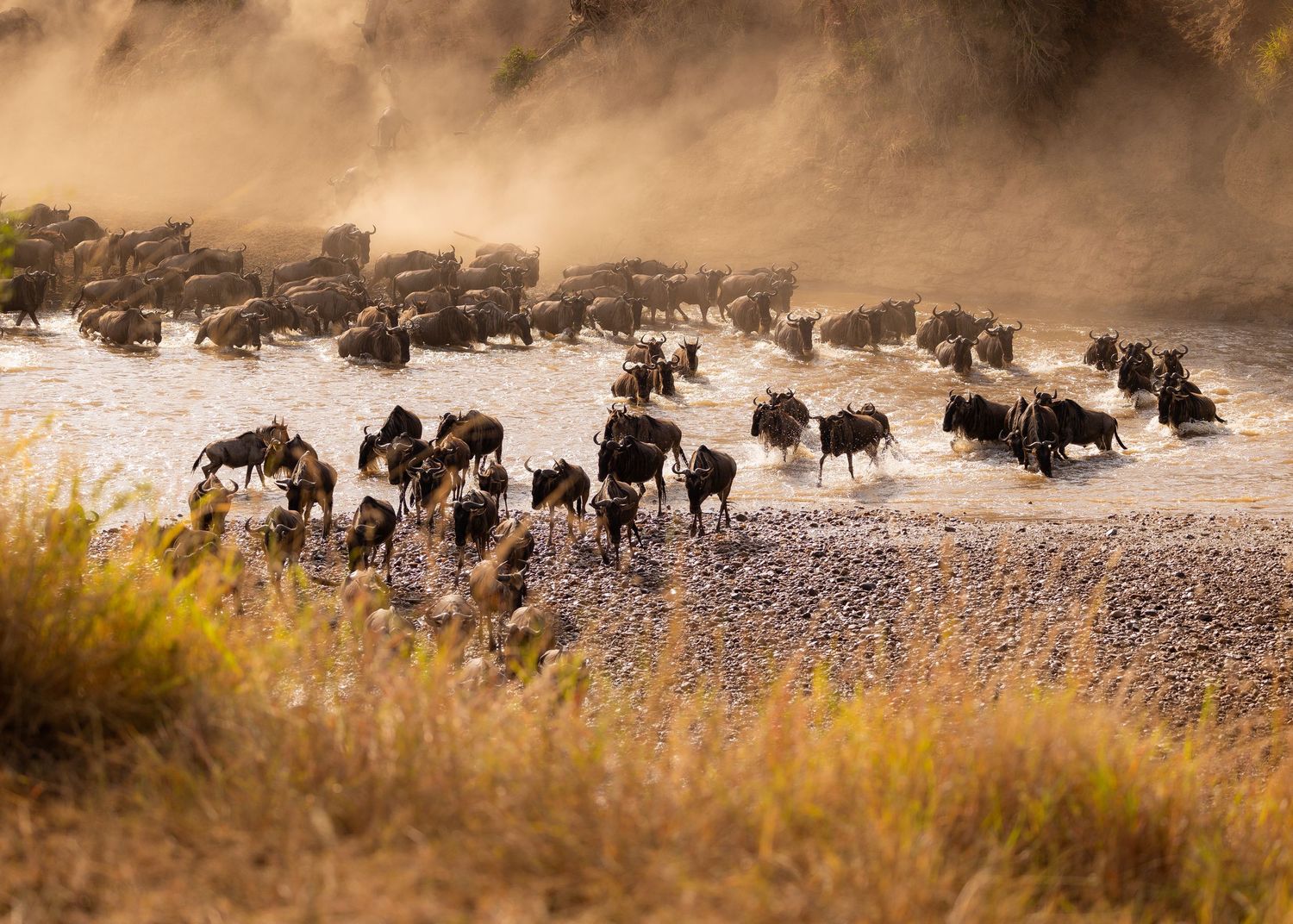
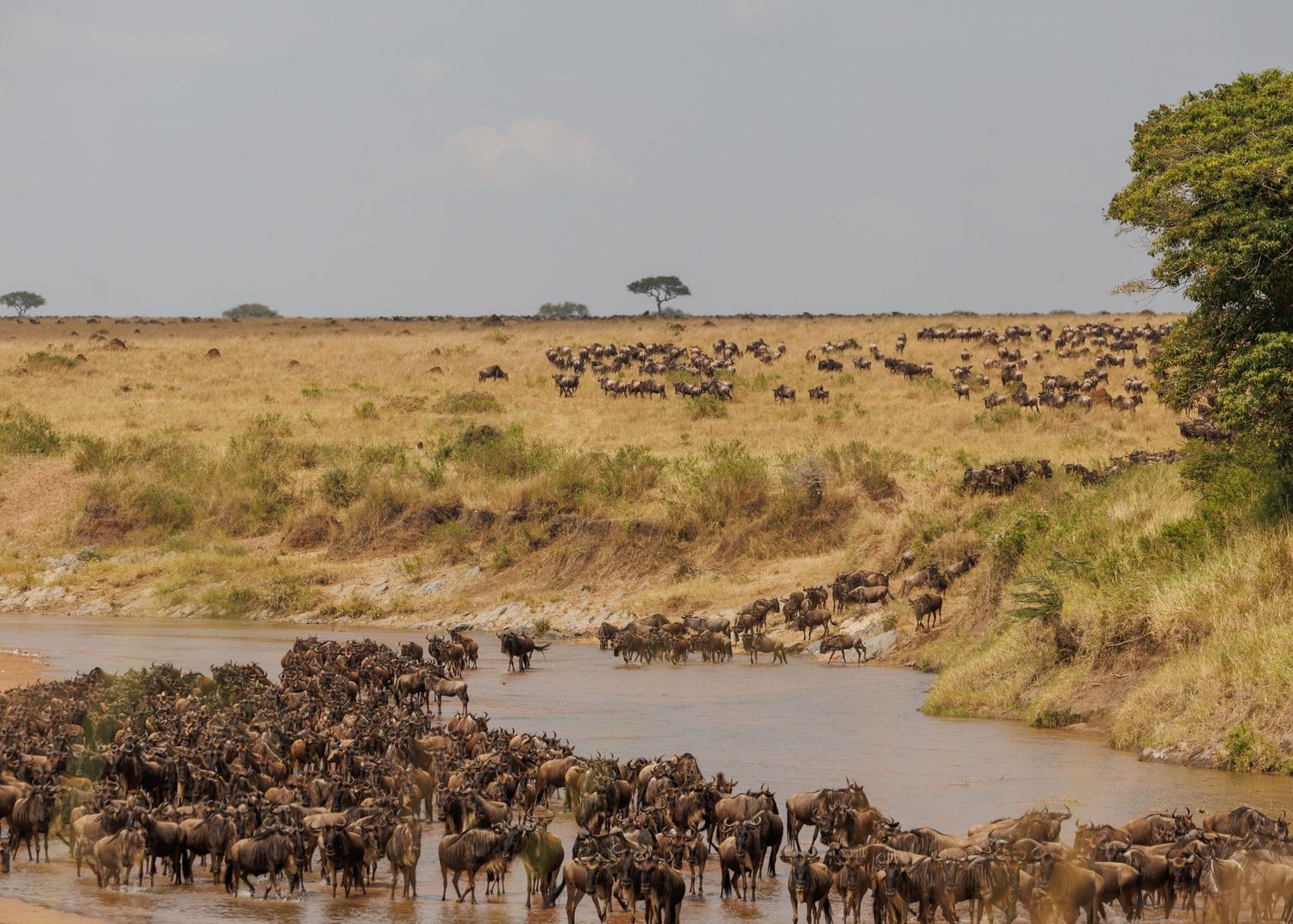
I still vividly recall the moment. I had just finished playing outside and was gulping down a cold glass of water when my eyes locked on the TV screen. It was a National Geographic program about The Great Migration. Unbeknownst to me then, that moment would be etched in my mind forever. I watched in awe as vast herds of wildebeest plunged from a cliff, battling the rushing waters and lurking crocodiles of the Mara River. The game had to continue, but a deep curiosity was born.
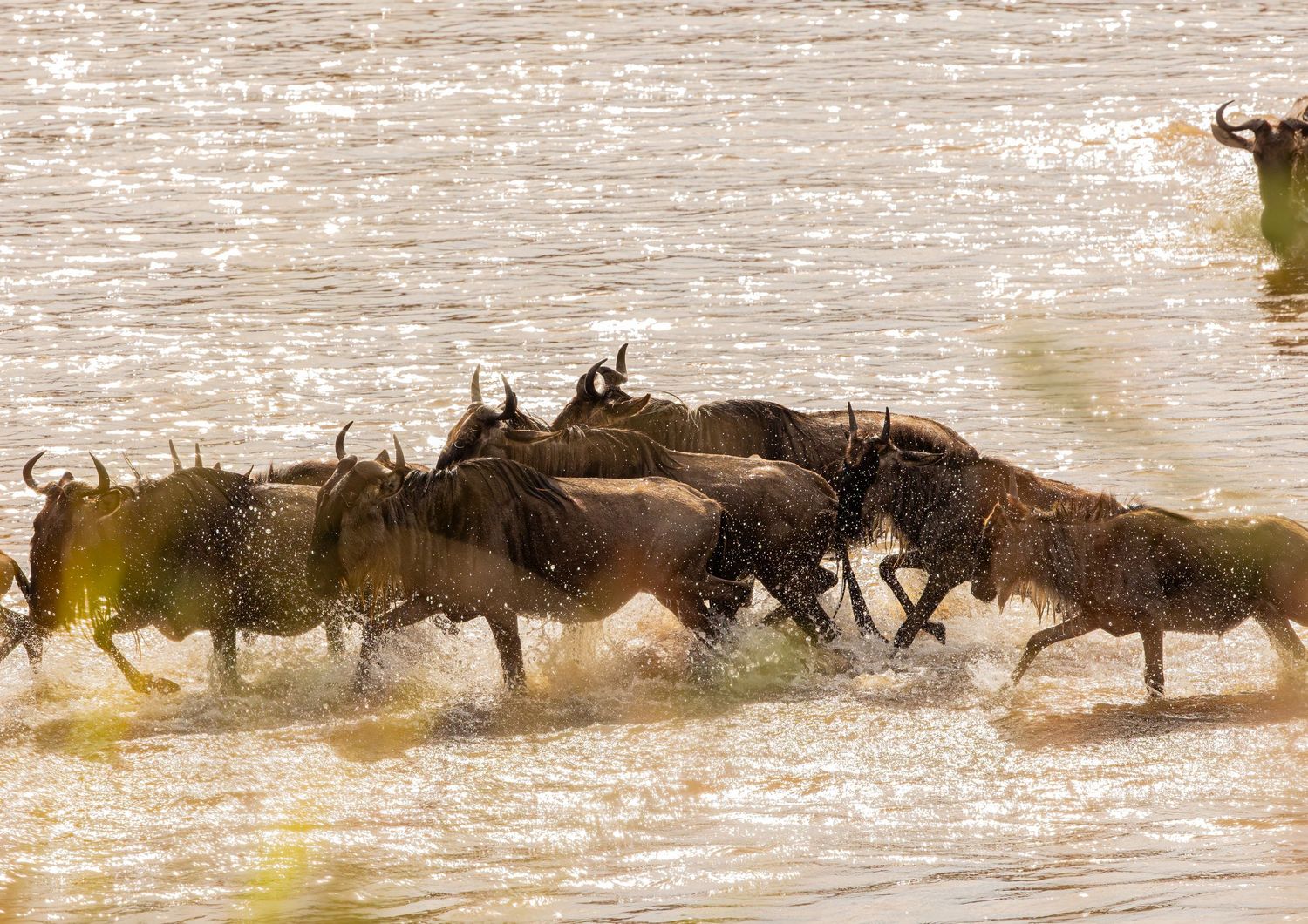
Today, as the wind shifts, so does the reality of this global spectacle. The Great Migration—the life-preserving, annual journey of over a million wildebeest, zebra, and impala—is driven by an instinctual need for sustenance, primarily the nutritious Red Oat grass found on the plains. This mass movement is the engine that maintains the entire ecosystem By consuming massive amounts of grass, the herds prevent the grassland from becoming overgrown, allowing new vegetation to grow.This movement supports other grazers, like zebra, who feed on taller, coarser grass, paving the way for wildebeest to eat the shorter, greener layer below.The migration is the cycle of life playing out in real time—a raw, poignant reminder of nature's great wisdom. Yet, it is also increasingly demonstrating nature's fragility.
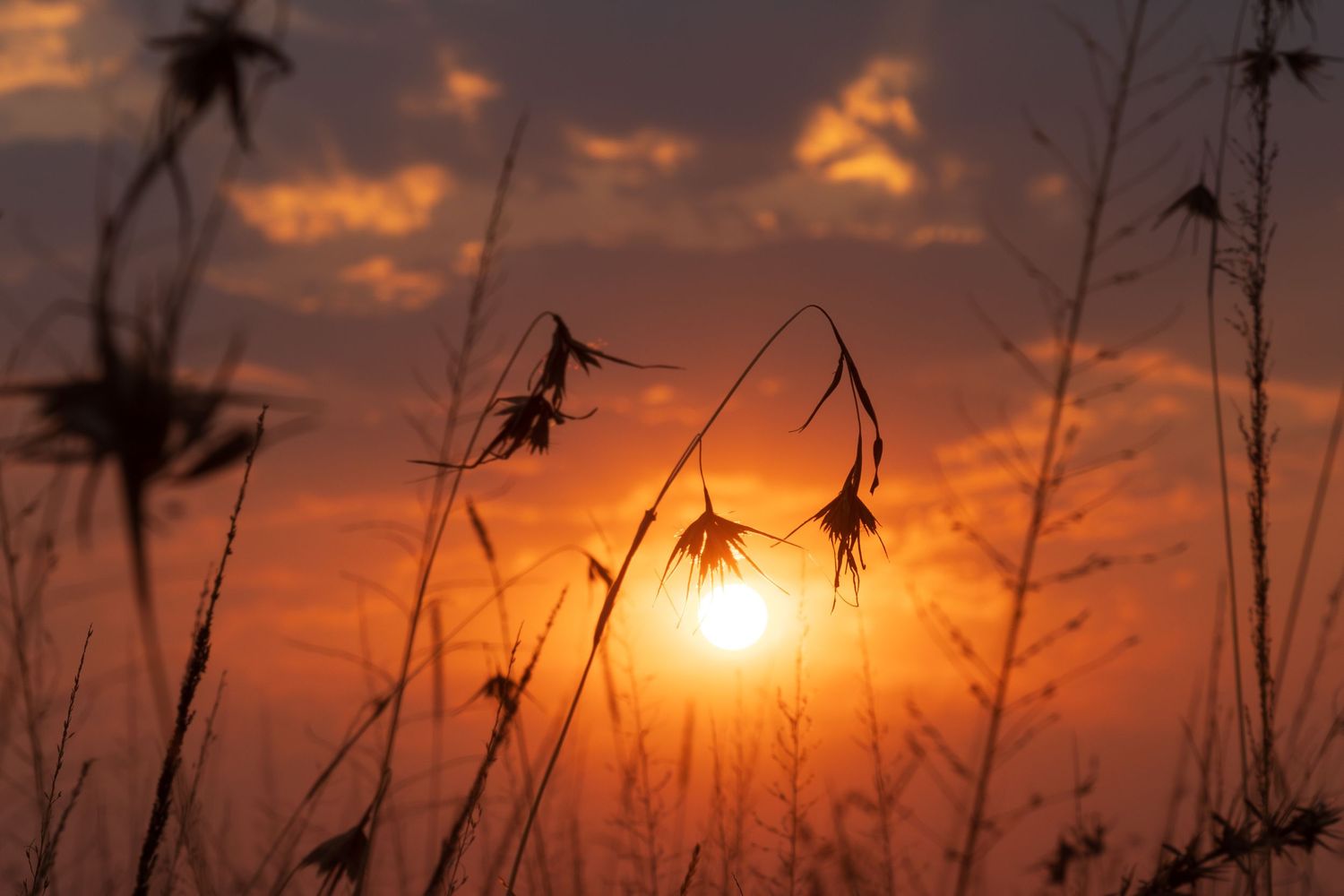
The Red Oat grass at sunrise
This year, the pattern has proved more unpredictable than ever. Seasonal rain patterns across the Serengeti and Maasai Mara have significantly altered the herds' movements. We've seen groups crossing into the Greater Mara at unusual northern points, then suddenly moving back and forth between Kenya and Tanzania, drawn by fleeting patches of rain and fresh grazing.It’s an irregular rhythm now. We even saw a brief, unexpected "second phase" of migration in September, where herds briefly returned to Kenya only to vanish again days later.These erratic movements are a clear signal that the world's climate crisis is directly impacting one of its most important natural events.
Sadly, climate change isn't the only threat challenging the herds' ancient path. We are witnessing multiple factors that are pushing the migration to the brink:Weather Patterns: Global warming is creating extreme and unpredictable weather, disrupting the fundamental cues that guide the herds' search for food.Human-Wildlife Conflict: We are seeing highly dangerous and unwelcome tourist behavior. Guests have been allowed out of their cars and have even blocked river crossings—a direct violation of conservation ethics that we must strongly condemnHabitat Congestion: A rise in safari camps and lodges, some built directly on migratory corridors, is fragmenting the plains and making key areas congested and dangerous for wildlife.The awe-inspiring river crossing—fraught with rushing water and crocodiles—is one thing. But herds should not have to face human-made obstacles as well.
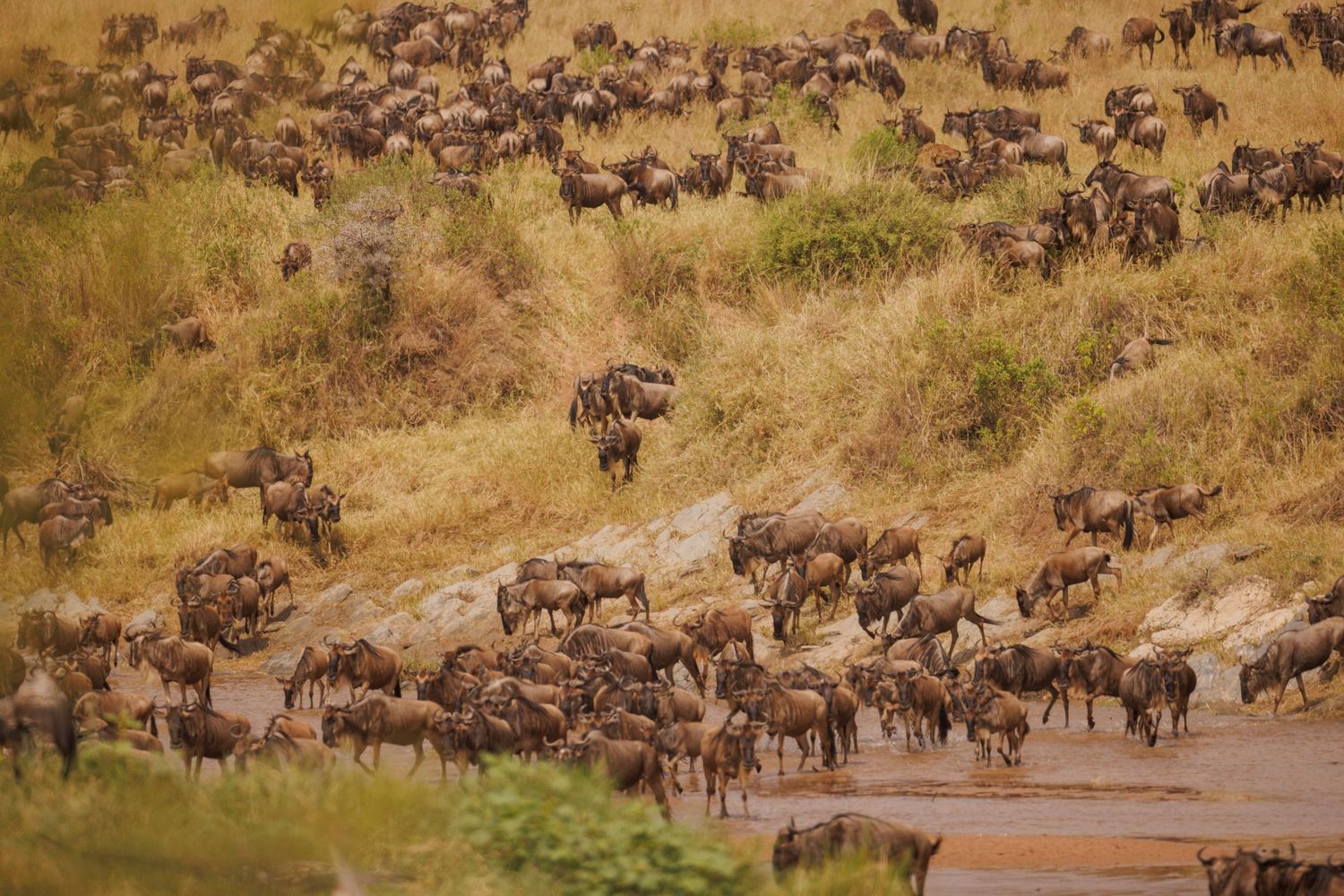
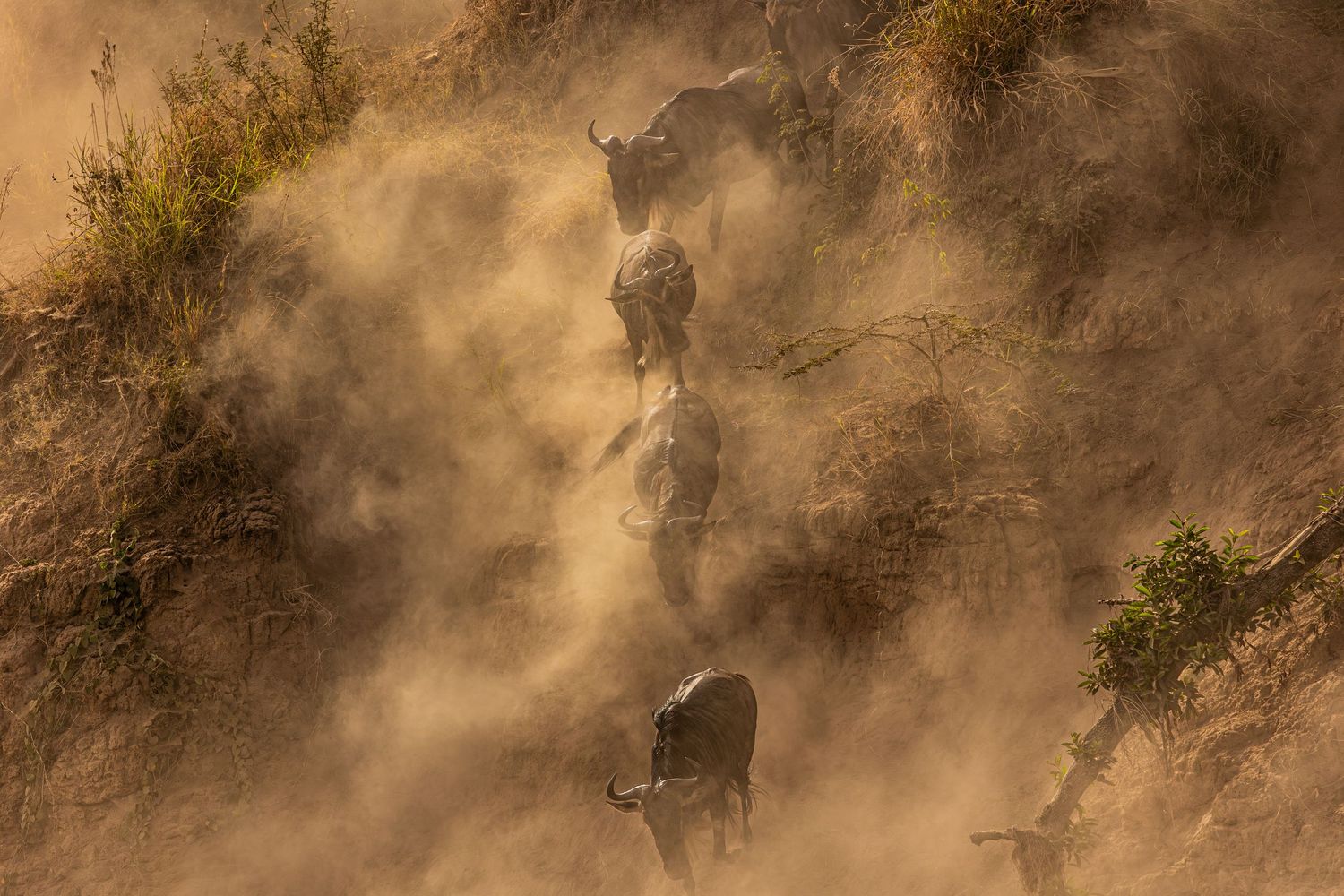
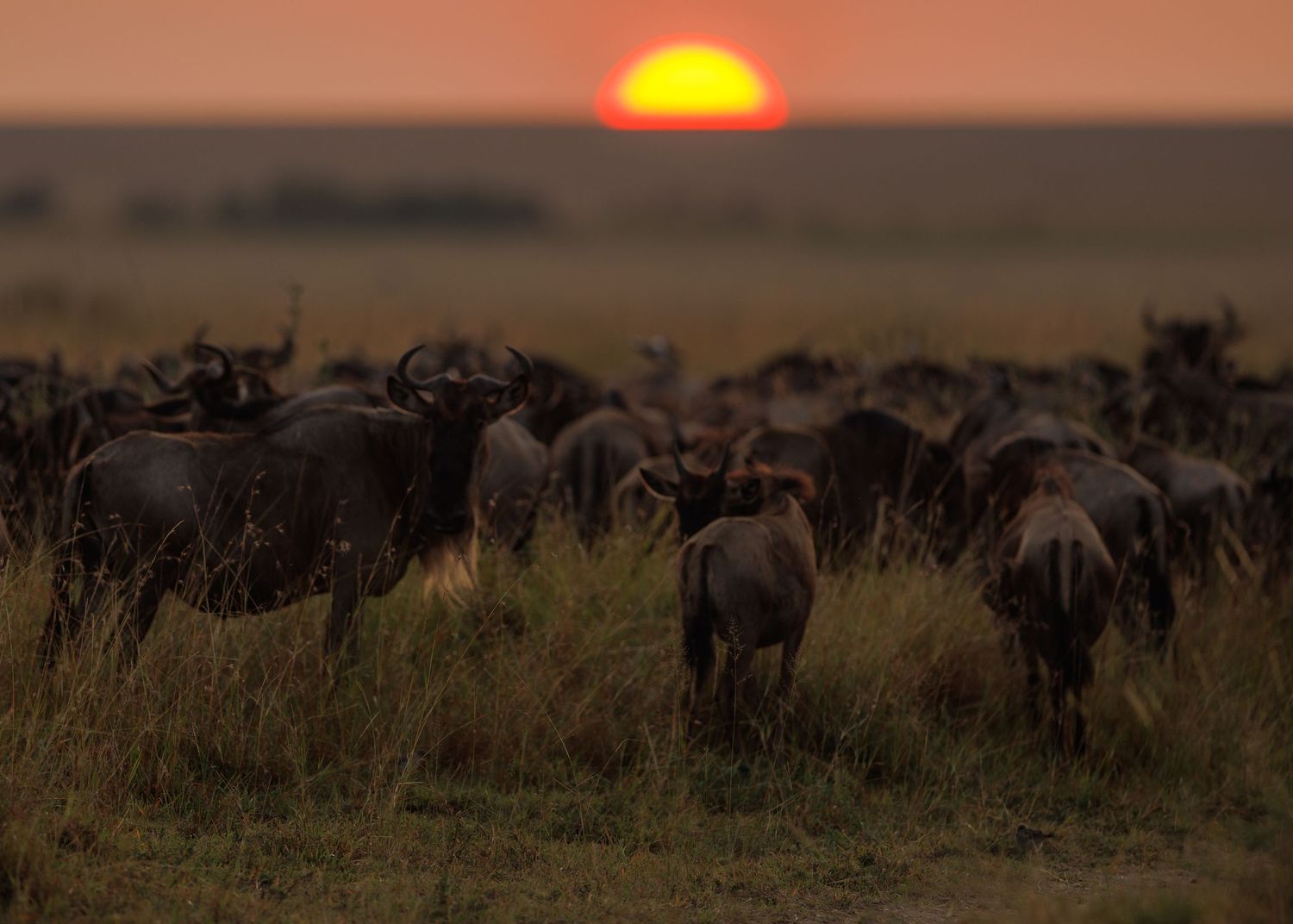
The Migration is more than just a spectacular photo opportunity; it is a visceral indicator of the planet’s health. It demonstrates the order and wisdom of nature, but also the vulnerability of that wisdom in the face of human impact.If we want to continue to witness this spectacular phenomenon—if we want to ensure the survival of the Serengeti and Maasai Mara ecosystems—we must demand more.
Conservation is no longer an option; it is an obligation. We must advocate for sustainable tourism practices, support conservation groups working to protect migratory corridors, and hold unethical safari operators accountable.
Let's ensure that the epic journey I saw on that screen years ago remains a reality for generations to come.