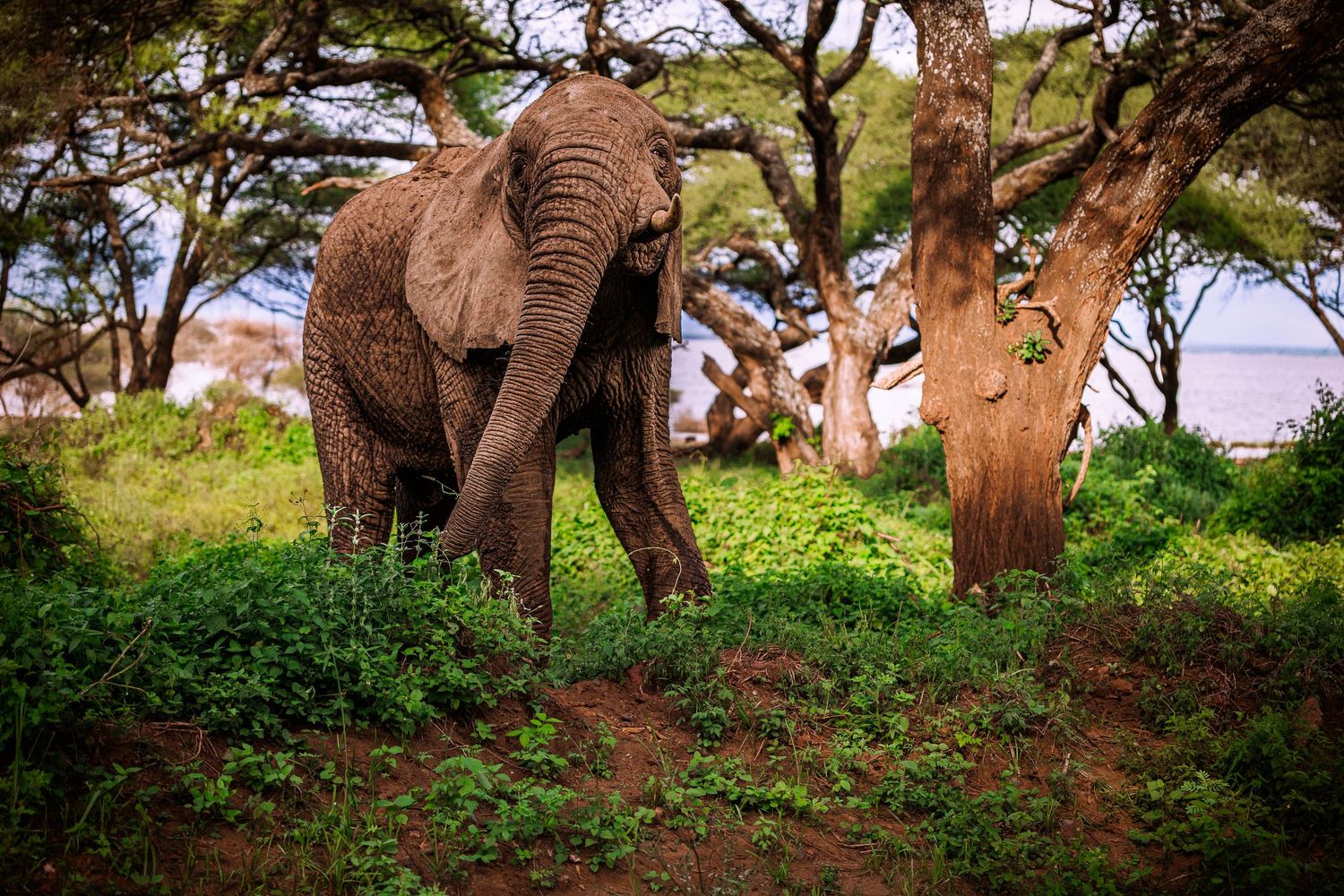
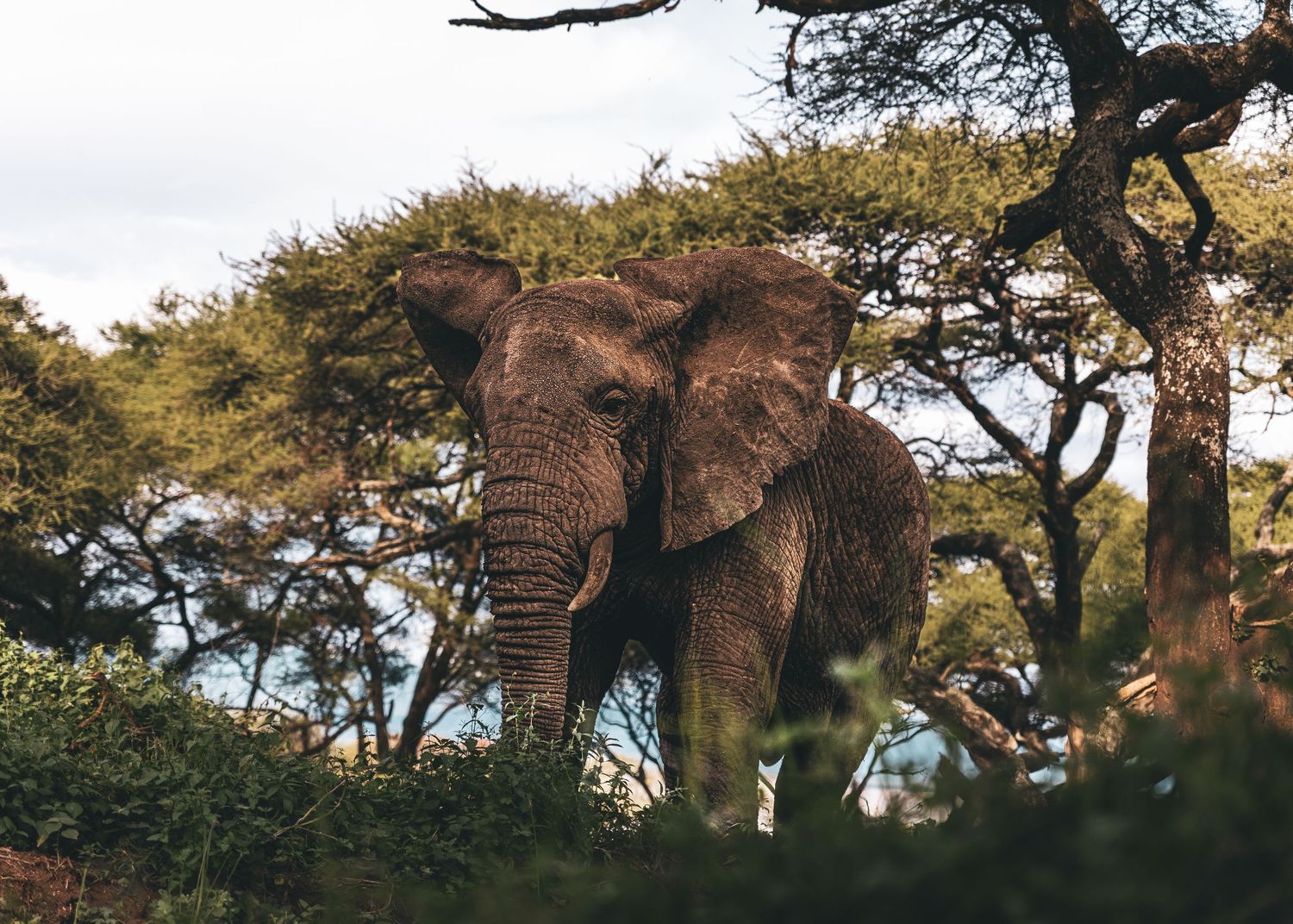
The dust-laden air shimmered, a mirage of heat and memory, as I recalled my first encounter with the giants. I was eleven, a wisp of a child at my grandparents' home, when the elephants came to our garden. Not with malice, but with a primal hunger, a claim on the bounty of the land. My grandmother, left everything she was doing,and quickly started to chase them away,with a large, resonant metal basin. The rhythmic clang, a percussive warning, echoed through our homestead , a sound that the Elephants did not appreciate.
Curiosity, that relentless companion of a young boy from the city, drew me from the safety of the house. I saw them then, not as creatures of storybooks, but as titans of flesh and bone, their bordy form vast and textured against the fading light. A profound awe settled within me, a silent pledge of lifelong fascination. From that moment, the elephant, the gentle giant, held a singular place in my heart.
These magnificent beings, Loxodonta africana, are woven into complex social tapestries. Their lives are a testament to the power of kinship, led by the matriarch, whose wisdom guides the herd. Females and their young form the core, while males, upon reaching maturity, often choose a solitary path or the companionship of bachelor groups.
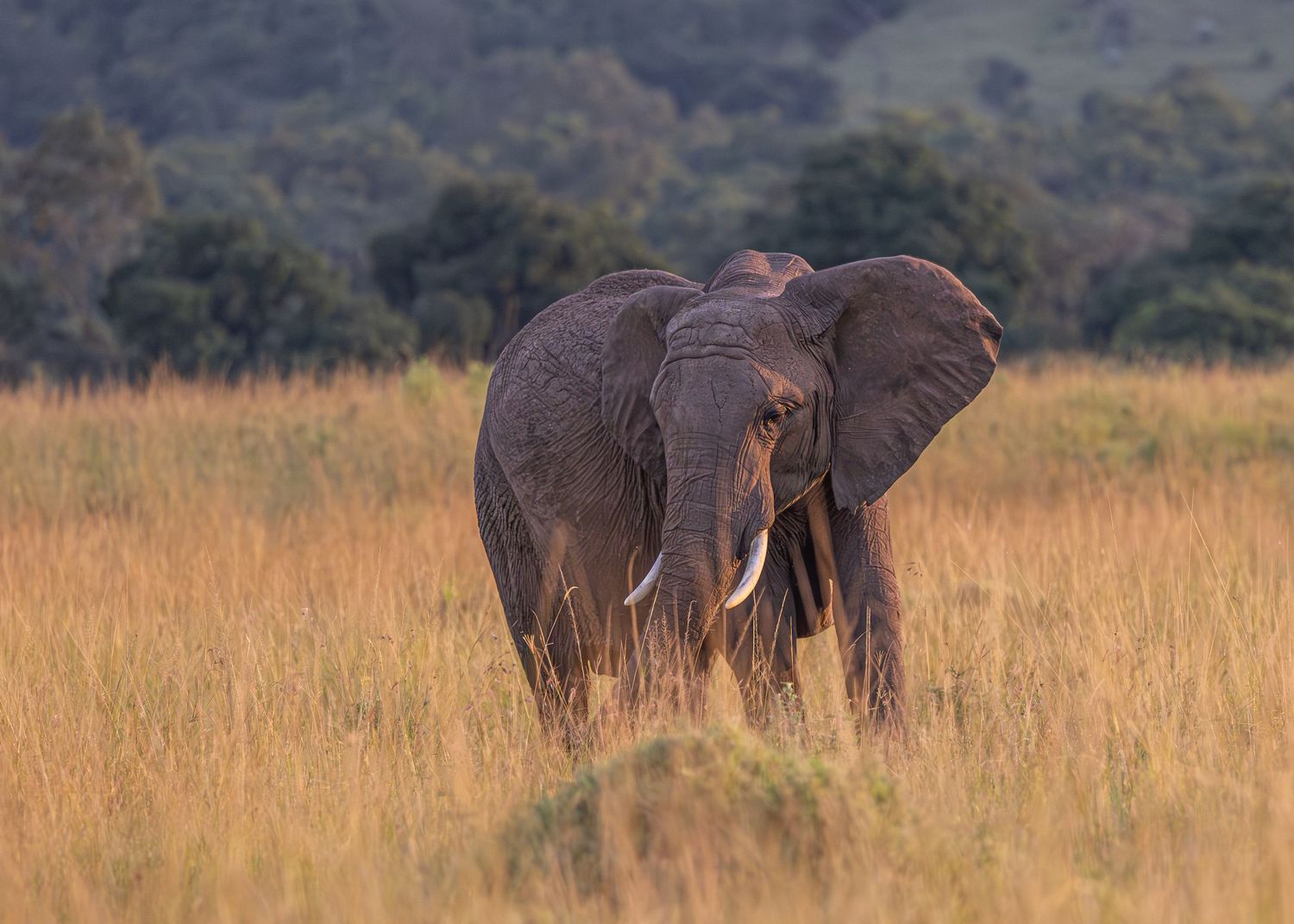
The cycle of life within an elephant herd is a spectacle of profound emotion. A single calf, after the culmination of a twenty-two-month gestation, the longest of any mammal, is welcomed into the world with a chorus of trumpeting, a celebration of new life. The females form a protective circle around the birthing mother, their presence a shield against the world. The calves are nurtured by the entire herd, partake in communal suckling,evidence of their strong bond. Female calves remain within their maternal herd, while males embark on their own journeys.
Their emotional intelligence is as vast as the savannah they roam. They mourn their dead with a solemnity that speaks of deep connection, congregating around the fallen, their trunks tracing the contours of a life lost. They cover the body with branches and dust, a poignant farewell.
.
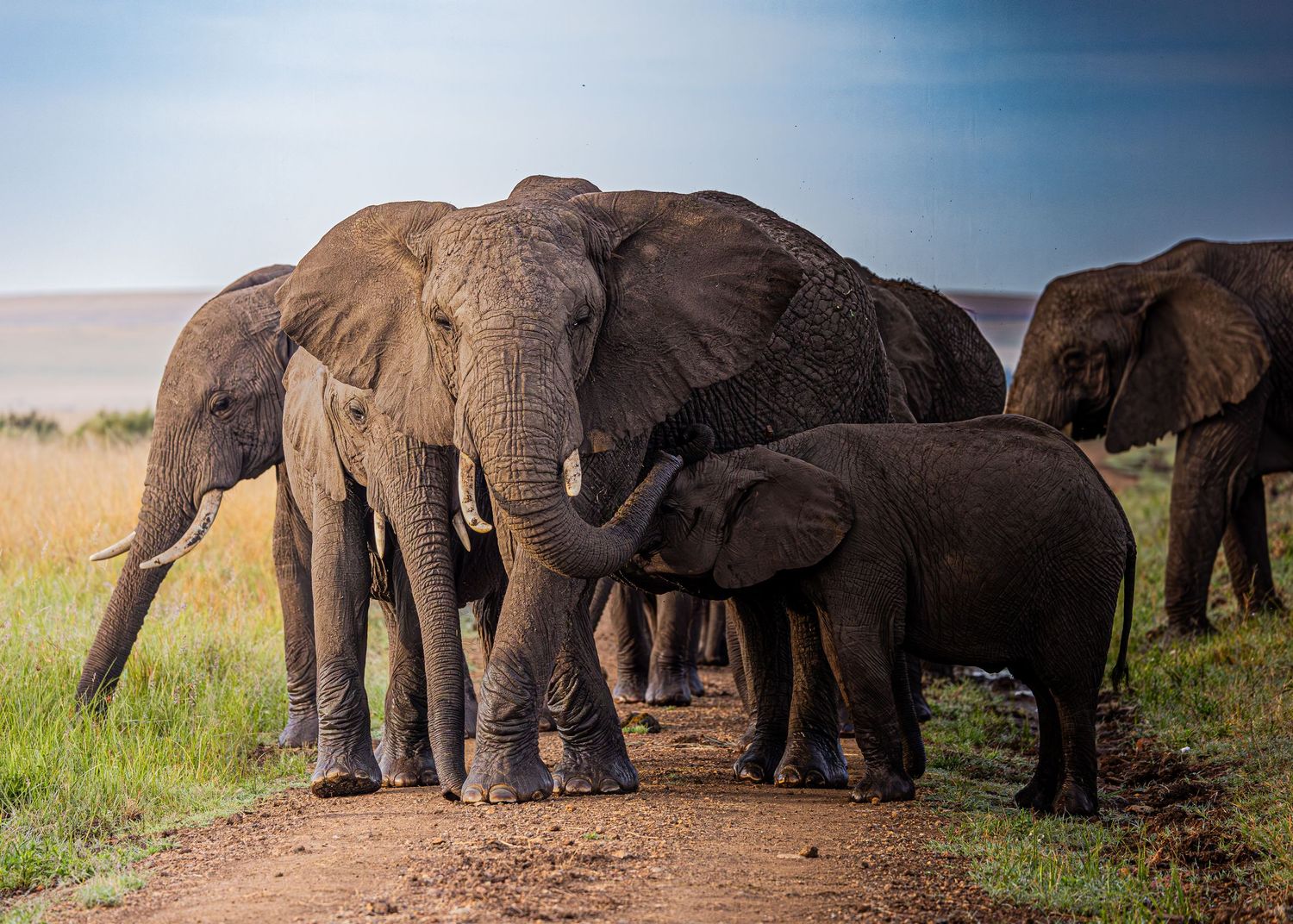
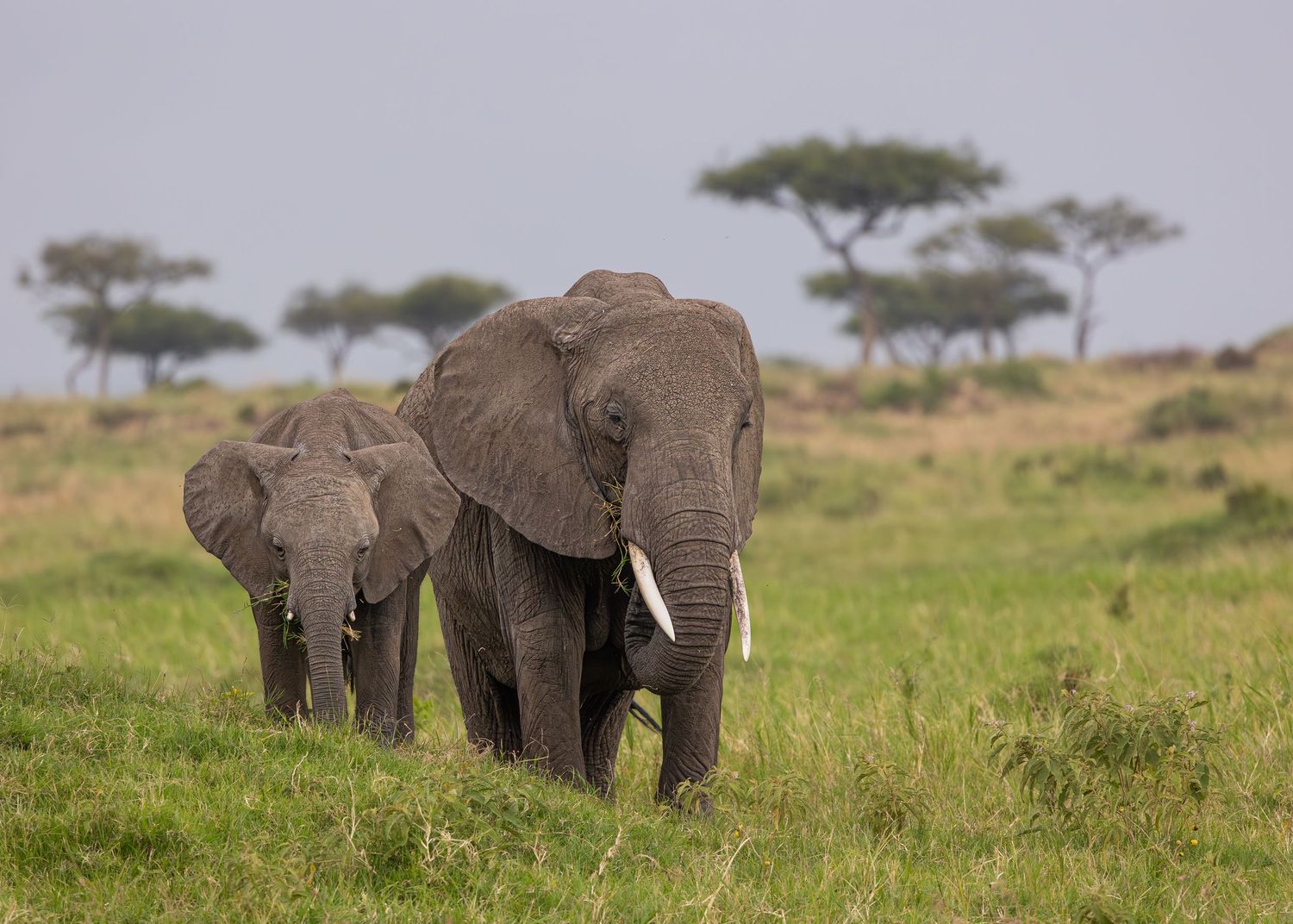
Their physical attributes are marvels of adaptation. The trunk, a versatile appendage, serves as a hand, a sensory organ, a tool for communication. The tusks, elongated incisors, are instruments of defense, foraging, and survival, each individual displaying a preference for left or right, the more frequently used tusk showing the wear of daily life. Their large, Africa-shaped ears, are a network of blood vessels, they regulate their body temperature and amplify their hearing, allowing them to communicate across vast distances with infrasonic rumbles, a language understood only by their kind.
Life for an elephant is a journey of resilience. They can live for over six decades, but the first year of a calf's life is crowded with peril, a vulnerable period marked by a high mortality rate. Though they have few natural predators,the young, sick, or orphaned individuals are vulnerable to predators such as lions.
However, the greatest threat to their survival is, tragically, humanity. The allure of ivory, the encroachment of human settlements,has also led to loss of their habitat and the resulting human-wildlife conflict have decimated their populations.
Yet, there is hope. Conservation efforts, spearheaded by dedicated organisations and wildlife photographers and filmmakers, are making a difference. Fencing initiatives, that would restrict the Elephants from peoples farms, drone technology for monitoring elephant movements and also used to drive the elephants away from farms by their buzzing sound, and educational programs aimed at fostering coexistence and to educate the masses on the importance of Elephants, are vital tools in safeguarding these magnificent creatures. We are learning to understand their needs, to respect their space, and to cultivate a future where humans and elephants can share the land. We are learning to plant crops that do not attract them, and to value them for their beauty, and their essential role in the ecosystem.