For a long time, my life was filled with the world's wonders, not through my own travels, but through the exciting stories and mementos of the many travelers I encountered in my tourism job. It was like being a perpetual gatekeeper to countless adventures. Ironically, while I expertly guided others on their global journeys, I had never left my own country. I'd advise on foreign experiences I only knew from pictures and share in travelers' pre-trip excitement, all while a personal desire to see the world grew within me. Daily interactions with these worldly individuals offered glimpses into far-off places, starkly contrasting with my own stationary existence. However, a meaningful friendship with a fellow travel enthusiast changed things. Our conversations delved deeper than just places; we discussed travel's transformative power, reigniting my own urge to explore. These discussions, filled with vivid travelogues and my eager imagination, cultivated a bold idea. Suddenly, my vague "someday" plans became concrete, and the excitement of others' travels transformed into my own personal anticipation as I began planning a trip to Zanzibar, ready to finally write my own travel story.
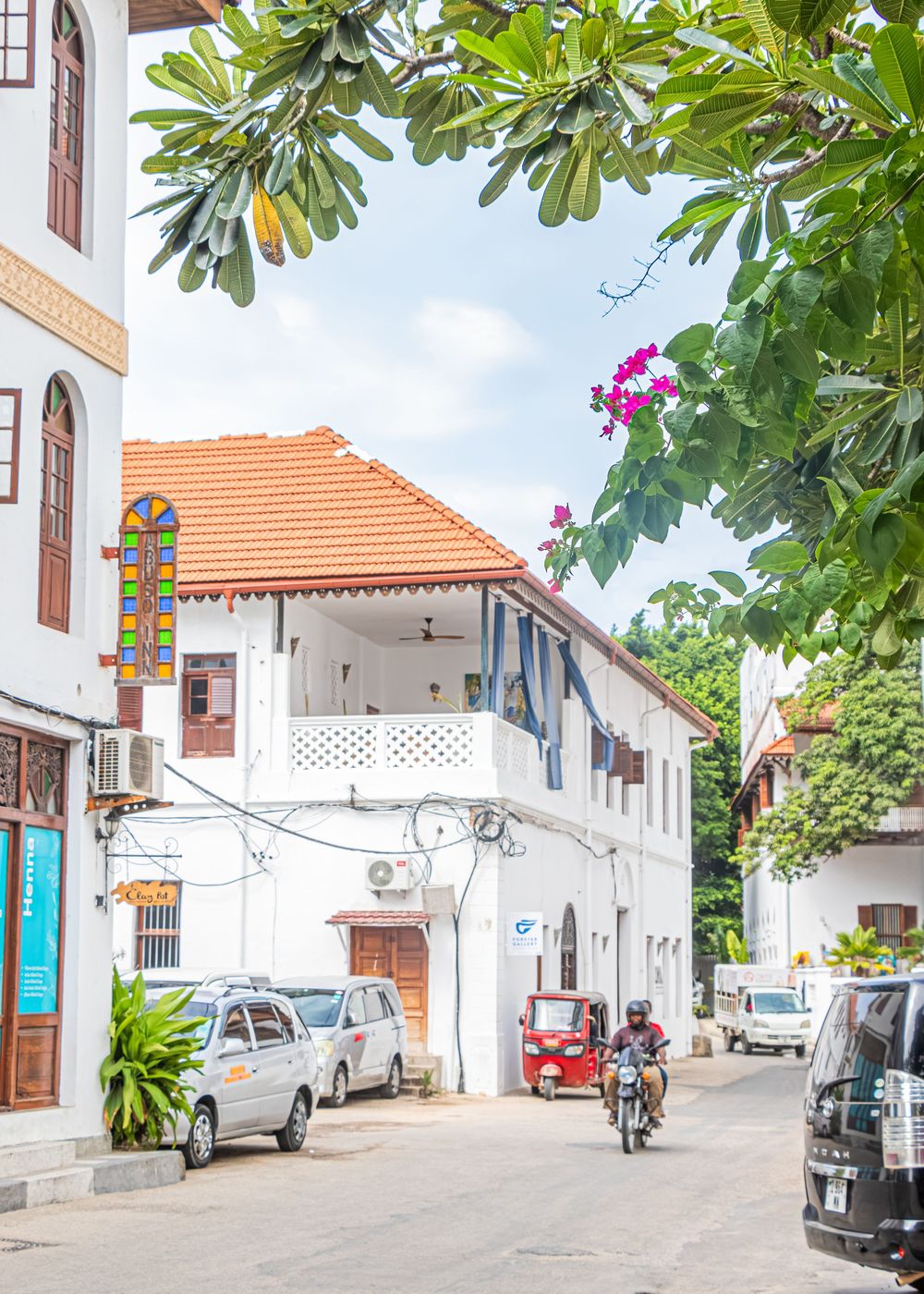
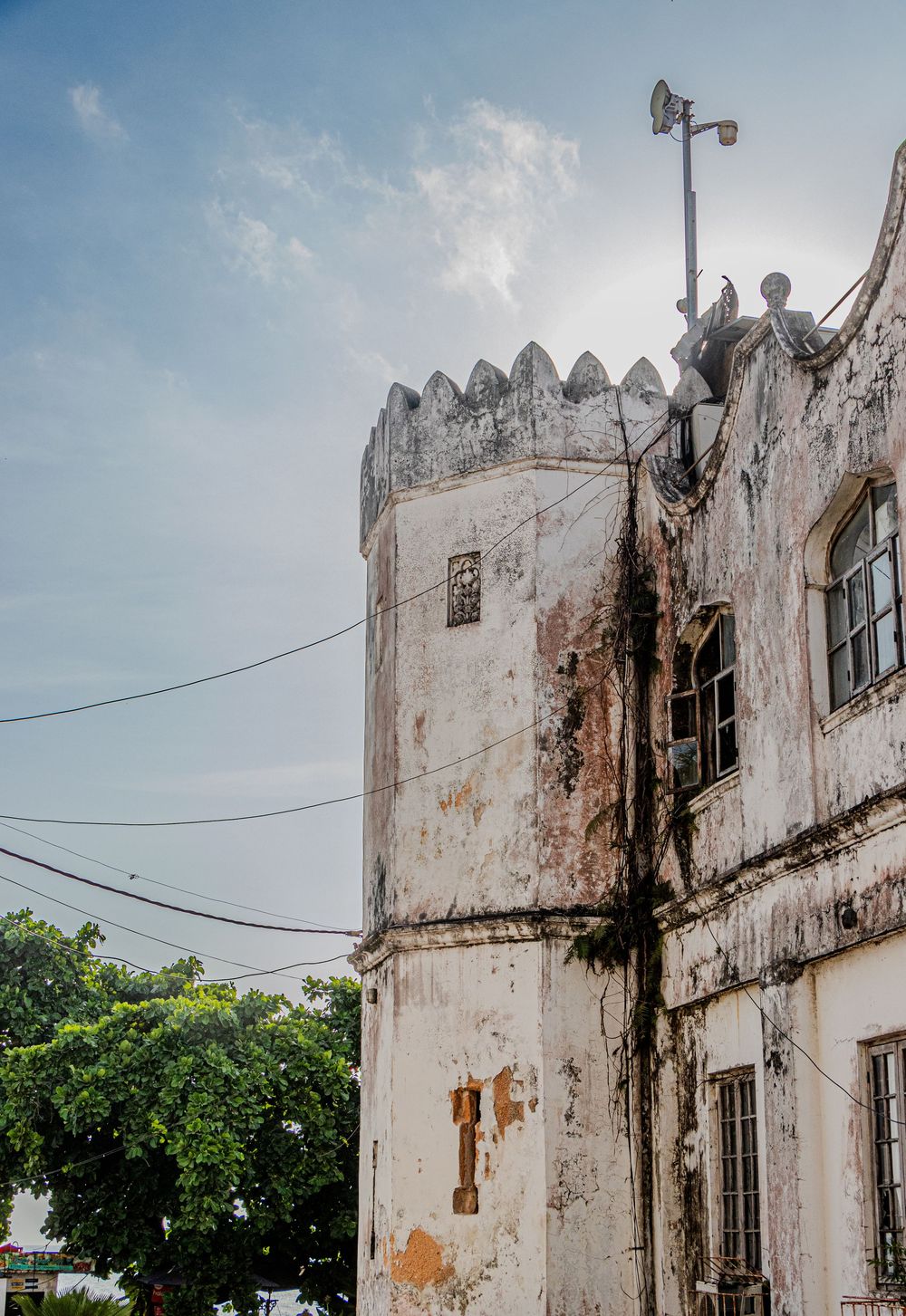
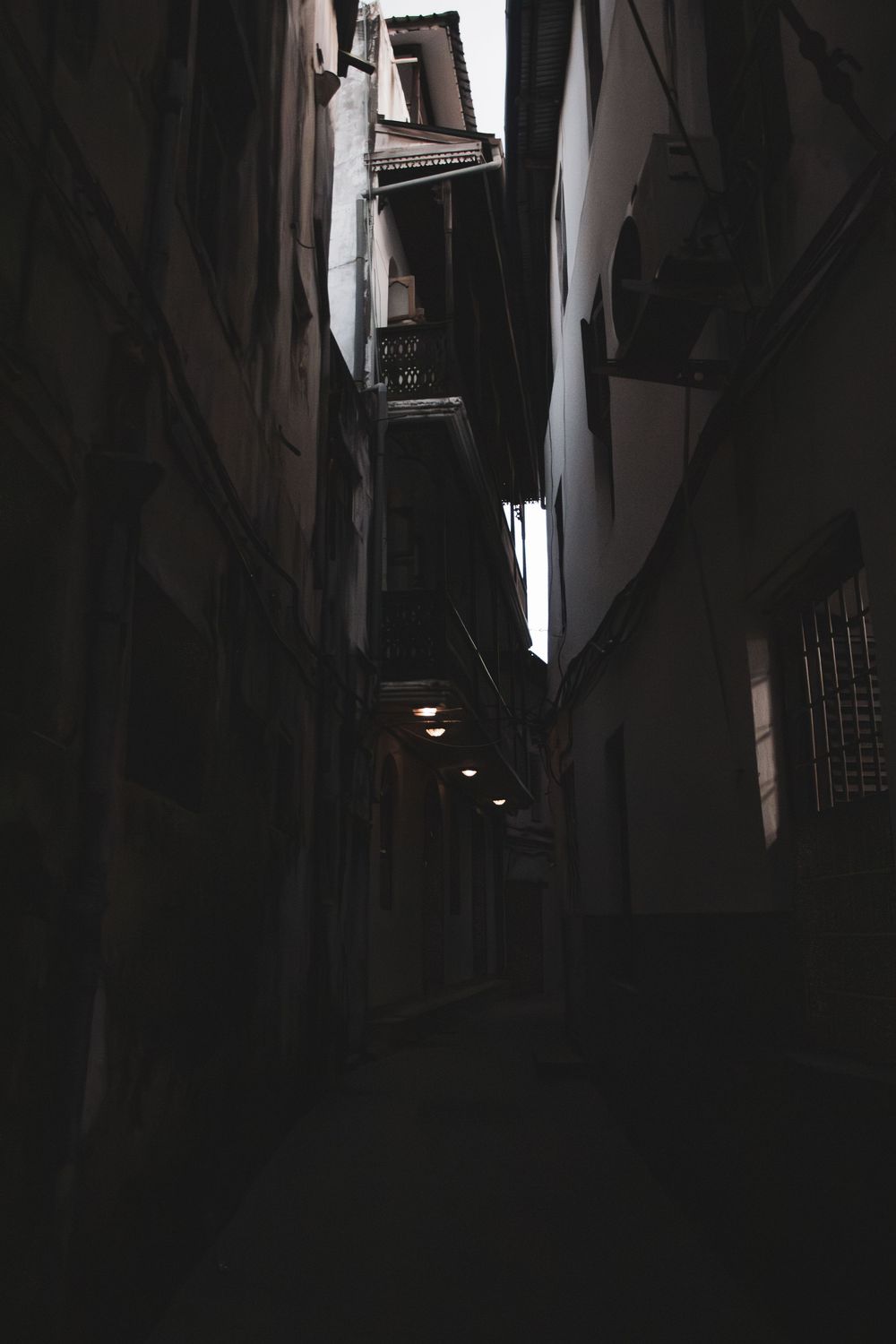
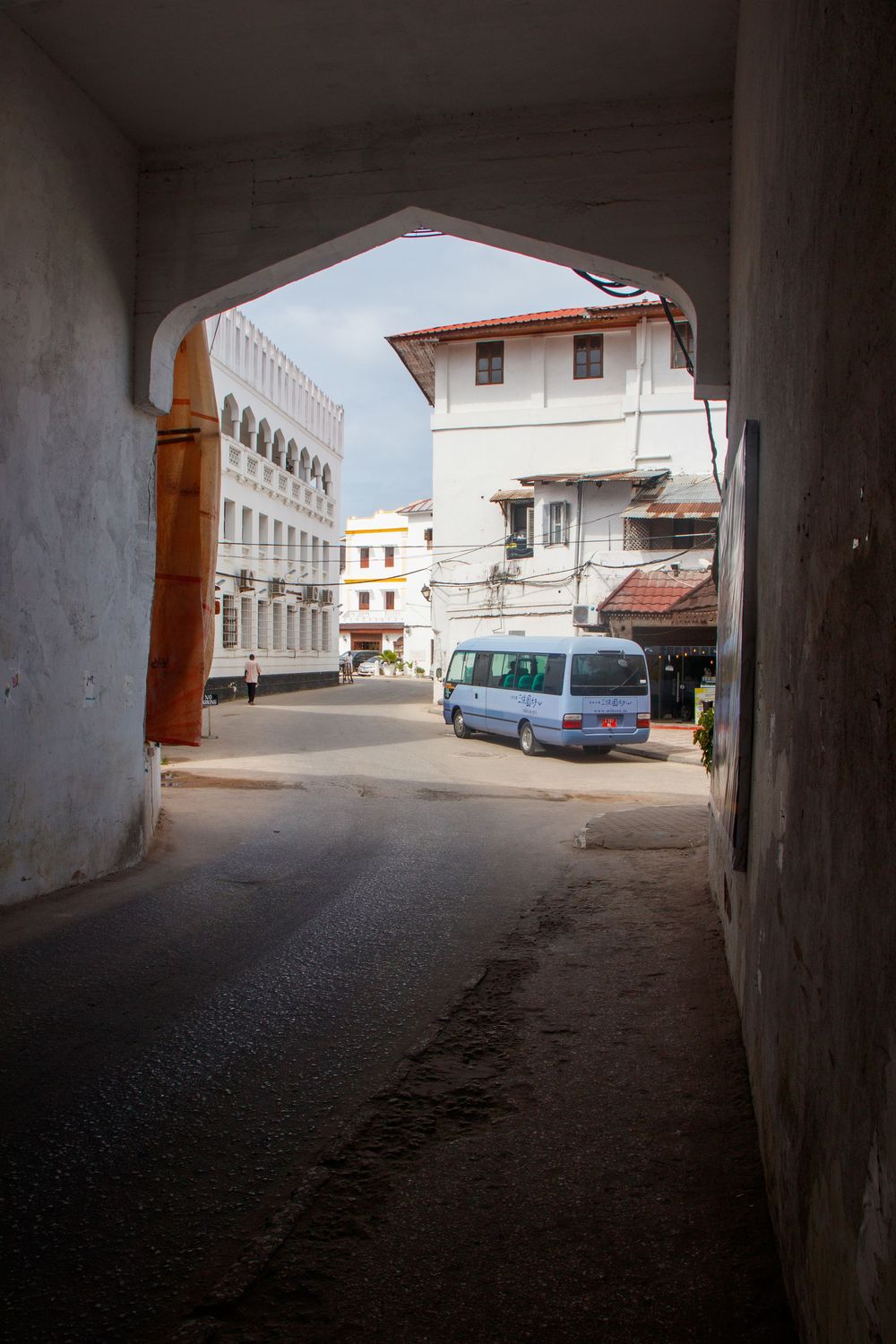
I still remember the moment I stepped into Stone Town — the air was thick with sea breeze and centuries of stories. This wasn’t just any coastal town; it was a living museum wrapped in the salty whispers of the Indian Ocean, where history clung to every coral-rag building and every carved wooden door seemed to speak.Stone Town, the old quarter of Zanzibar City, is the kind of place that feels like a dream you forgot you had. Recognised as a UNESCO World Heritage Site in 2000, it holds centuries of cultural fusion: Arab, Persian, Indian, and European influences all layered together like the intricate spice blends sold in its markets.I wandered through its labyrinthine alleys, where cats lounged like royalty and children darted past moss-covered walls. The buildings, many of them faded but proudly standing, told stories without words. Their thick stone walls, built from local coral stone, shimmered faintly in the sunlight, carrying the weight of sultans, traders, and adventurers who once called this place home.And then, the doors — oh, the doors! Before visiting Stone Town, I never thought a door could make me stop in awe. But here, each one is a masterpiece. Zanzibar doors are famously grand, with heavy wooden frames etched with symbols of protection and prosperity: fish, vines, lotuses, and inscriptions in Arabic script. I found myself snapping photo after photo, wondering about the families who lived behind them, the secrets whispered across generations.
As a Nairobian, I’m used to a city that never really sleeps — a melting pot of cultures, religions, fashion statements, and the odd rogue boda boda weaving through traffic. We wear what we want, eat what we crave, and pray where and when we choose. Nairobi is the kind of place where a mosque, a church, and a nyama choma joint can exist on the same block — and no one bats an eye.I was surprised by the deeply rooted Islamic culture shaping everyday life in Stone Town. Unlike Nairobi's constant activity, Stone Town felt conservative and spiritually rhythmic. The daily Adhan pauses the town, and modest dress is expected. While there's no legal enforcement of Islamic law, it influences social norms: public affection and alcohol are discreet, and Friday prayers see shop closures. However, I didn't feel restricted, but rather reminded that travel necessitates respect for local culture as a way of life, not just a photo opportunity.
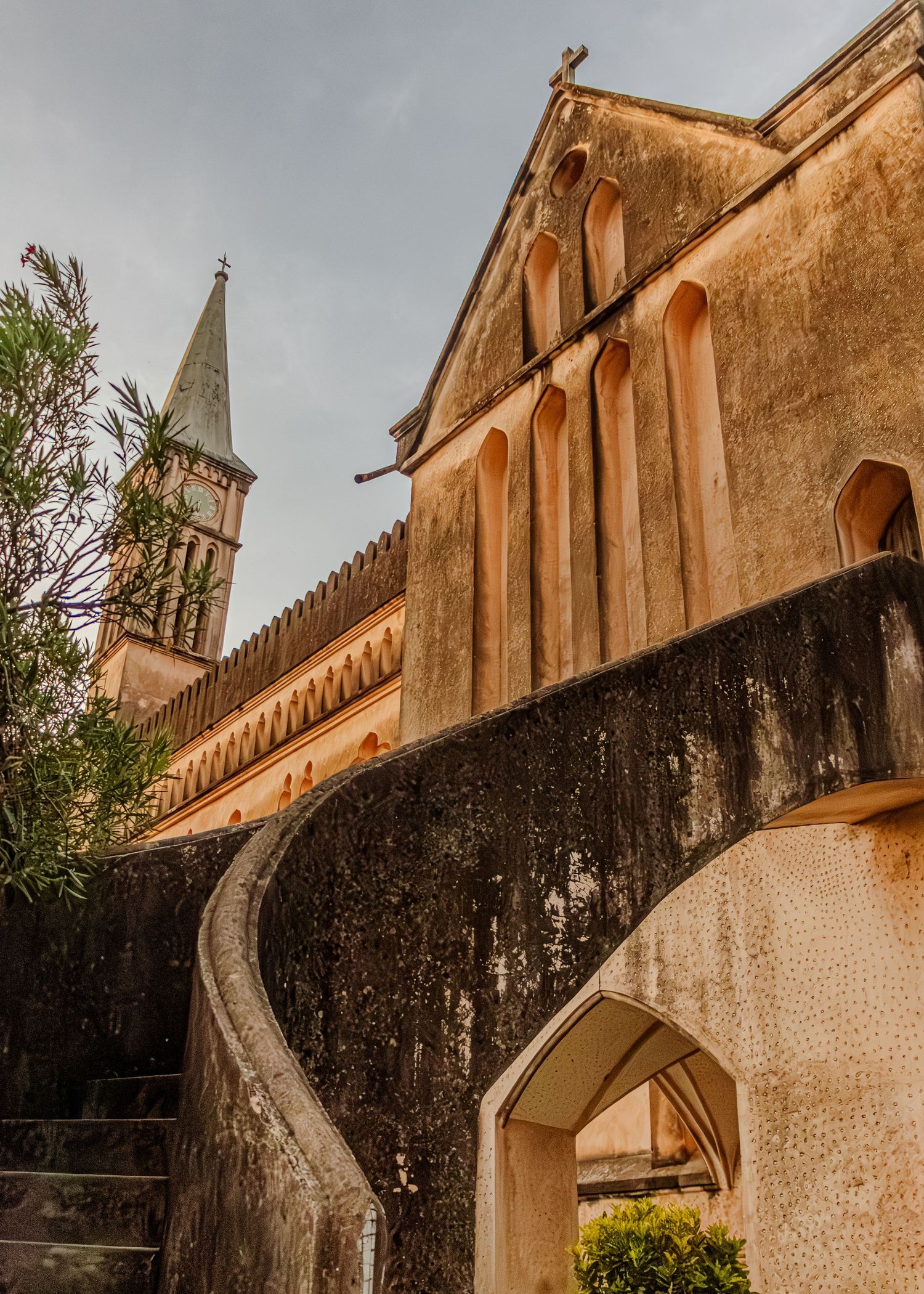
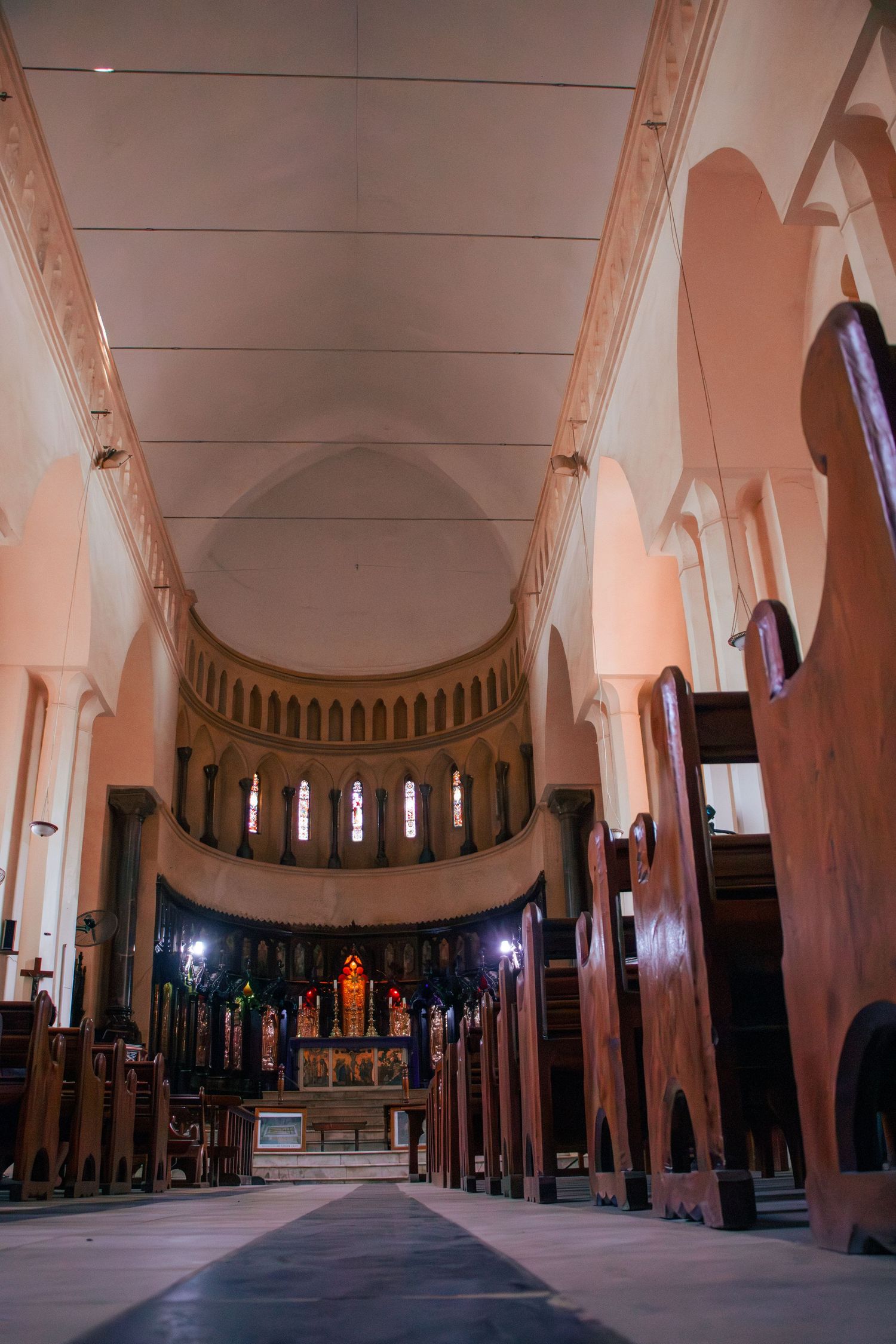
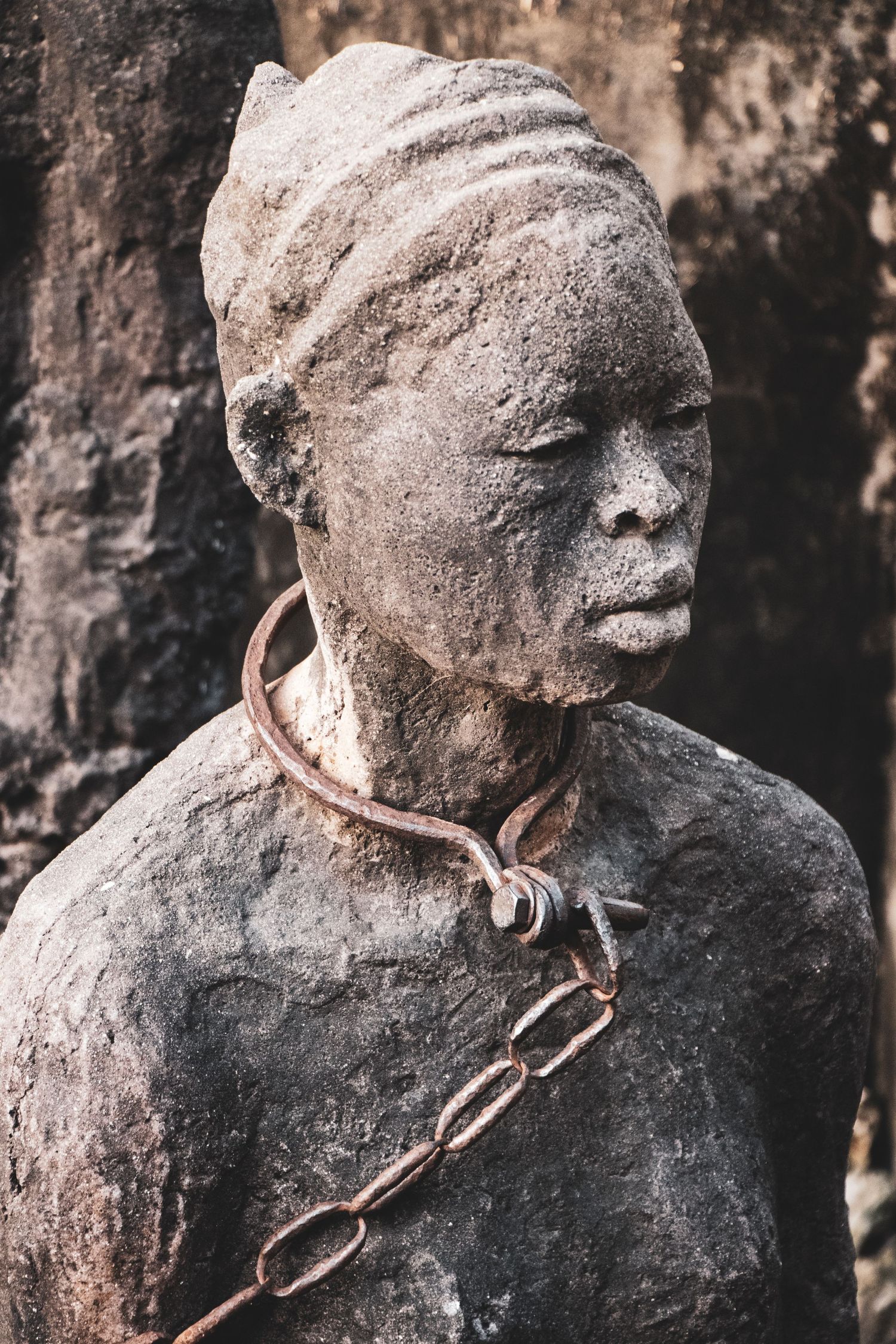
Despite Zanzibar’s rich culture and deeply rooted religious traditions, the Slave Market and the Anglican Cathedral—often referred to as the Slave Cathedral—stand as somber reminders of a painful past. Visiting this site stirred something deeply personal in me. The island, known for its spice-scented breezes and vibrant Islamic heritage, also cradles the memory of untold suffering. Walking through the underground chambers where enslaved people were held—tiny, dark, airless—I felt the weight of history pressing in. Above these dungeons, the church was built as both a symbol of redemption and a bold declaration against the cruelty once embedded here. It’s a paradox: a place of worship erected over a site of such sorrow, in a land where faith and freedom are so entwined. It reminded me that healing doesn’t erase the past—it honours it, painfully, honestly, and with hope.
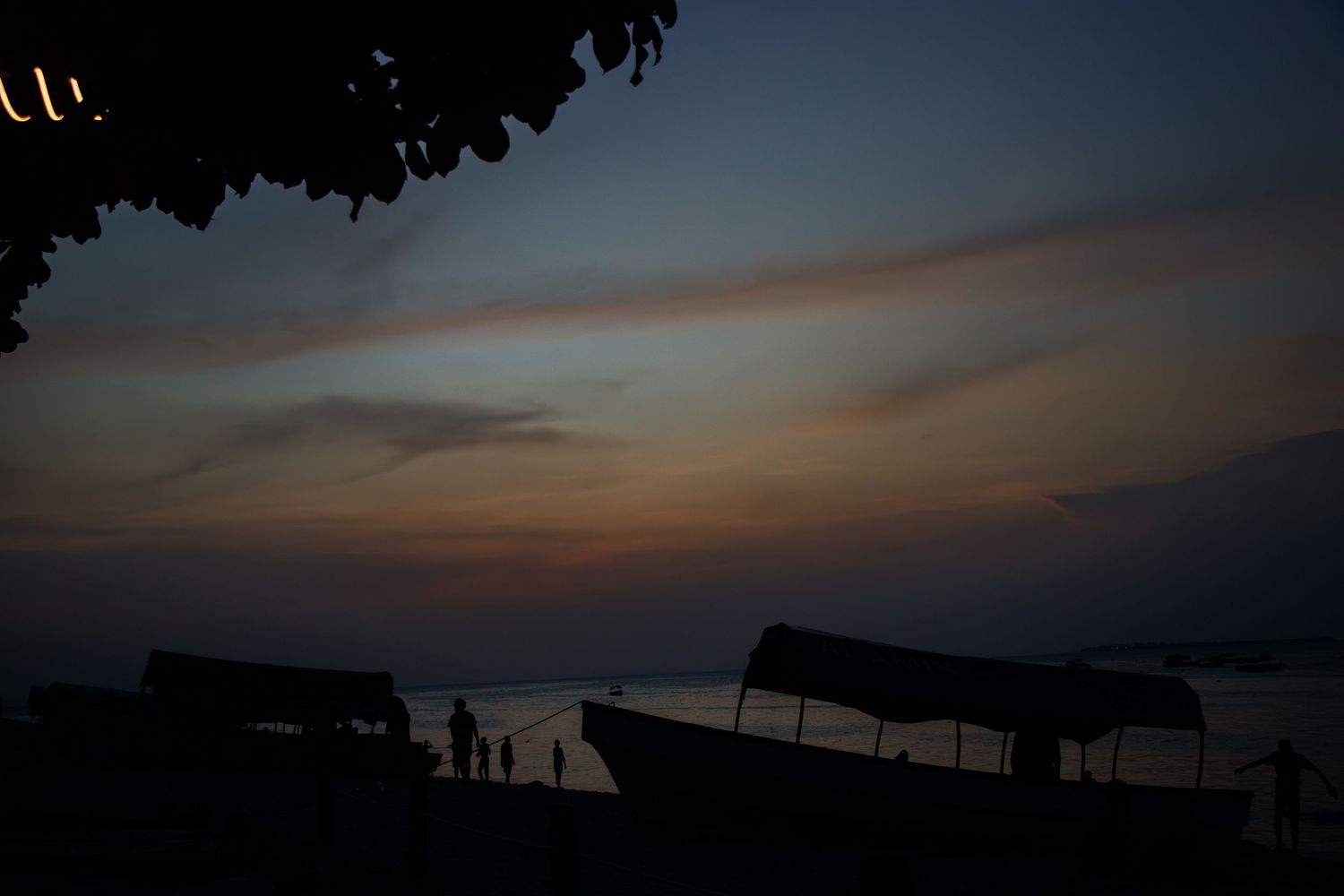
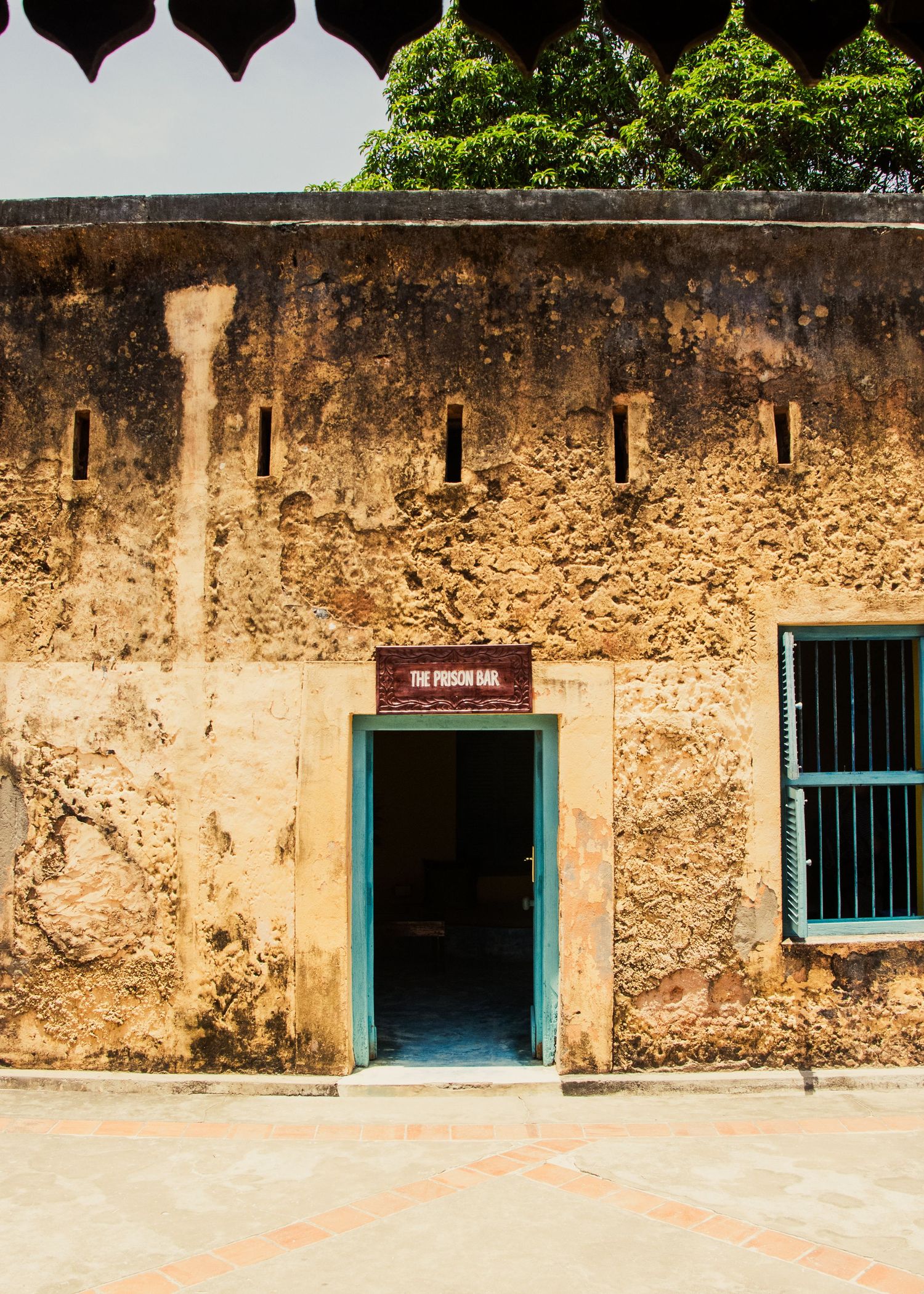
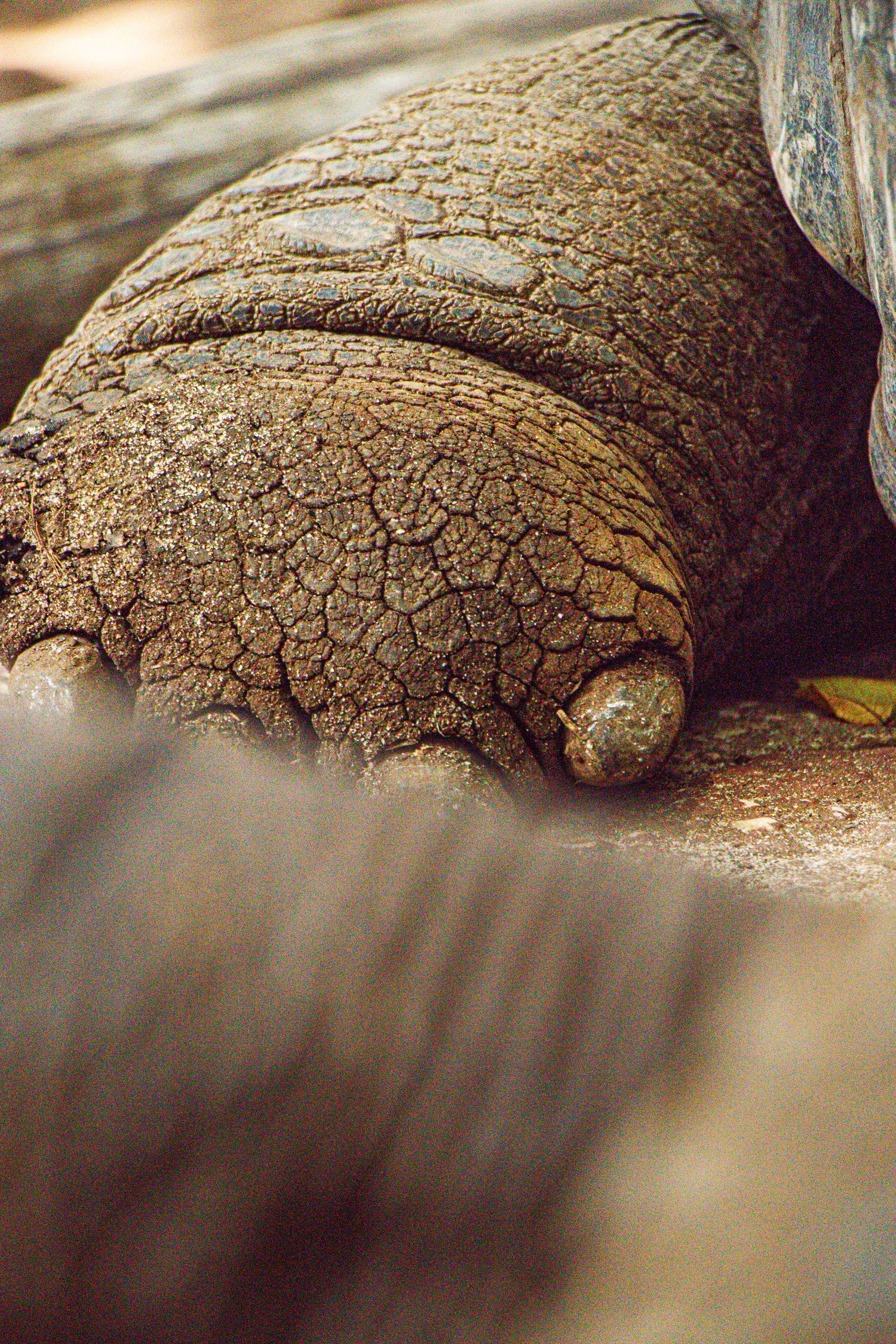
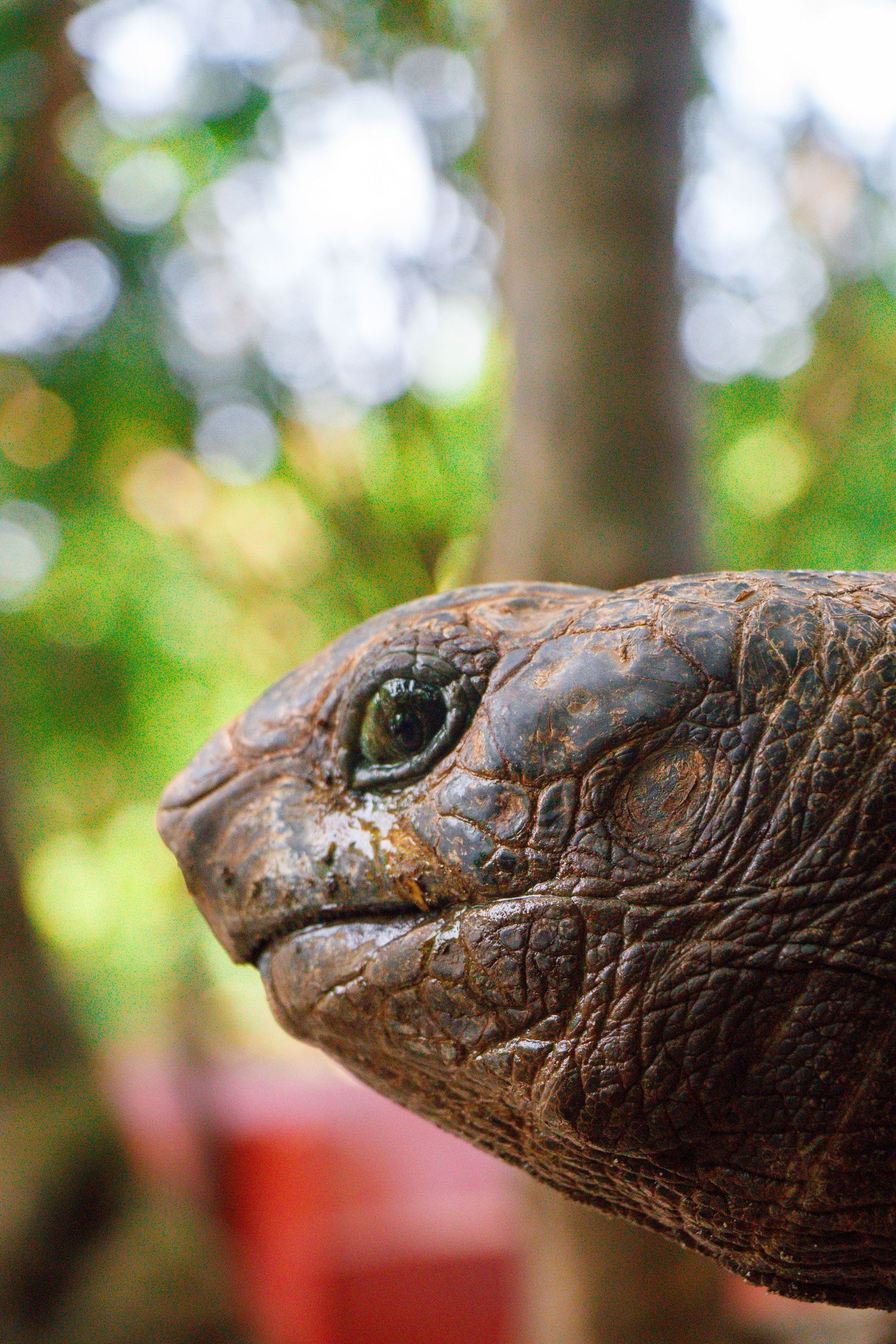
Taking the 30-minute boat ride from Stone Town to Prison Island was like slipping through a portal—leaving behind the bustle of the mainland for the turquoise calm of the sea. As we approached the island, once known as Changuu, the remnants of the old prison came into view, tucked beneath swaying palms and aged coral walls. Originally intended to house violent prisoners, it never quite fulfilled its grim purpose. Instead, it served more as a quarantine station during colonial times. Walking through its moss-covered corridors, I imagined the isolation, the uncertainty of those who waited here. The air was heavy with history, but also strangely peaceful. The giant Aldabra tortoises now roaming the island seemed to reclaim the space with their slow, quiet dignity. Visiting Prison Island felt like reading a forgotten chapter—bittersweet and humbling—a story of control turned to care, of confinement turned to sanctuary.
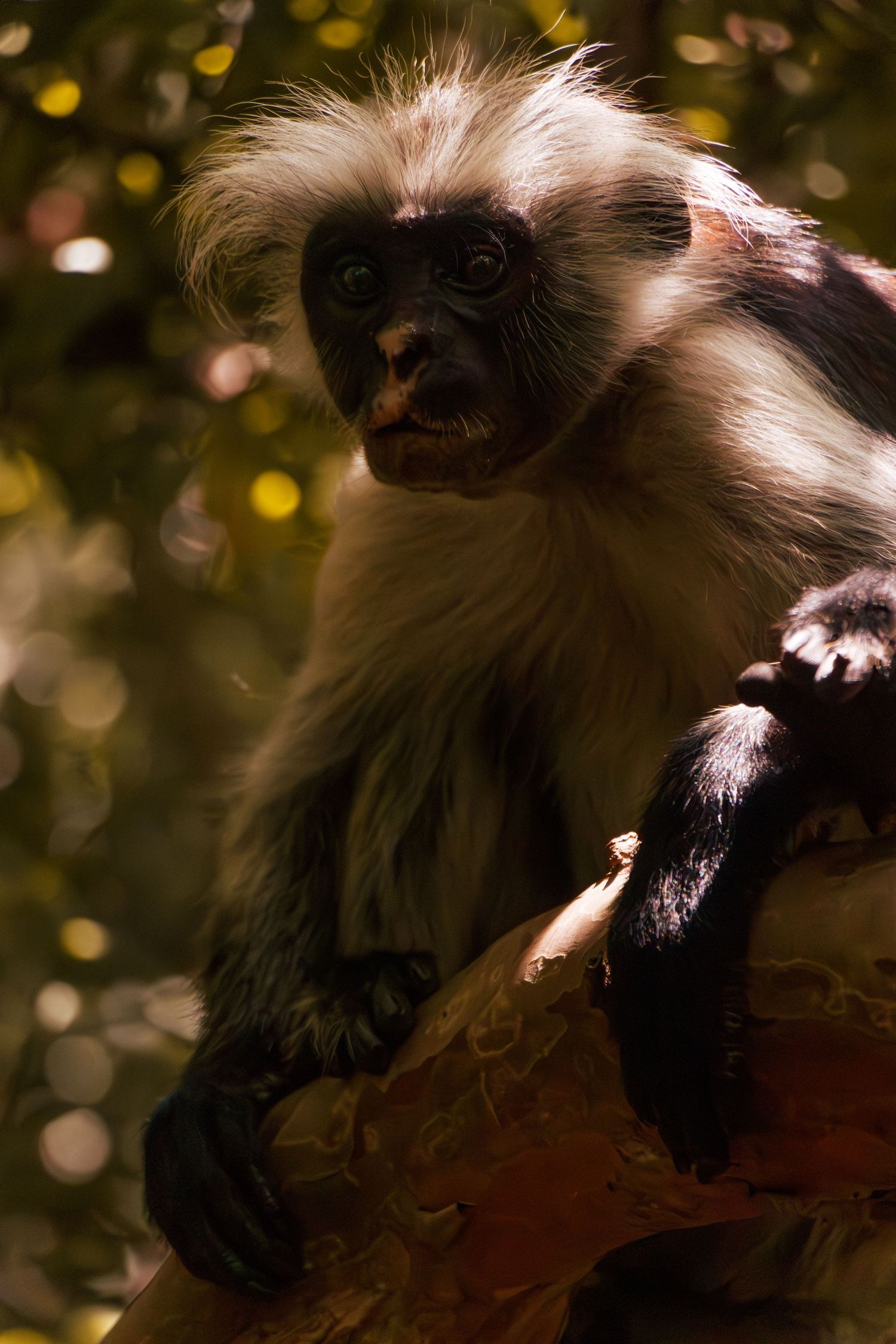
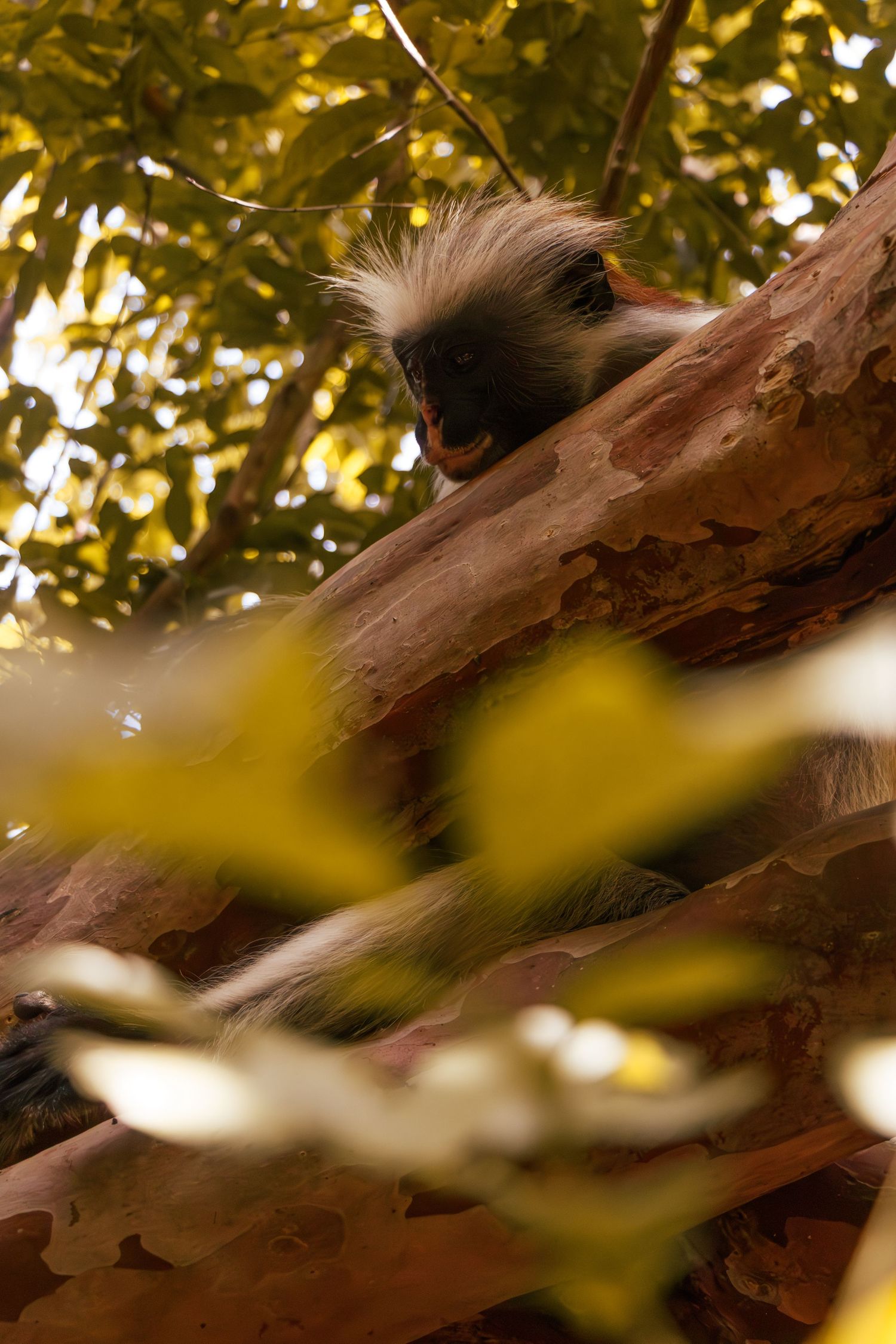
My Zanzibar trip concluded beautifully with a visit to Jozani Forest. The vibrant foliage and natural sounds created a serene atmosphere. Spotting the endangered Zanzibar red colobus monkeys was a highlight—their playful and inquisitive nature was truly captivating. Observing these remarkable animals in their natural environment underscored the importance of preserving our planet's wild spaces. This tranquil experience ignited a profound desire for further exploration, a quest to uncover stories beyond the familiar, and a continued appreciation for Earth's incredible biodiversity. Tanzania revealed that travel transcends mere destinations; it's about connection, awe, and the persistent allure of adventure.